Click on a chapter
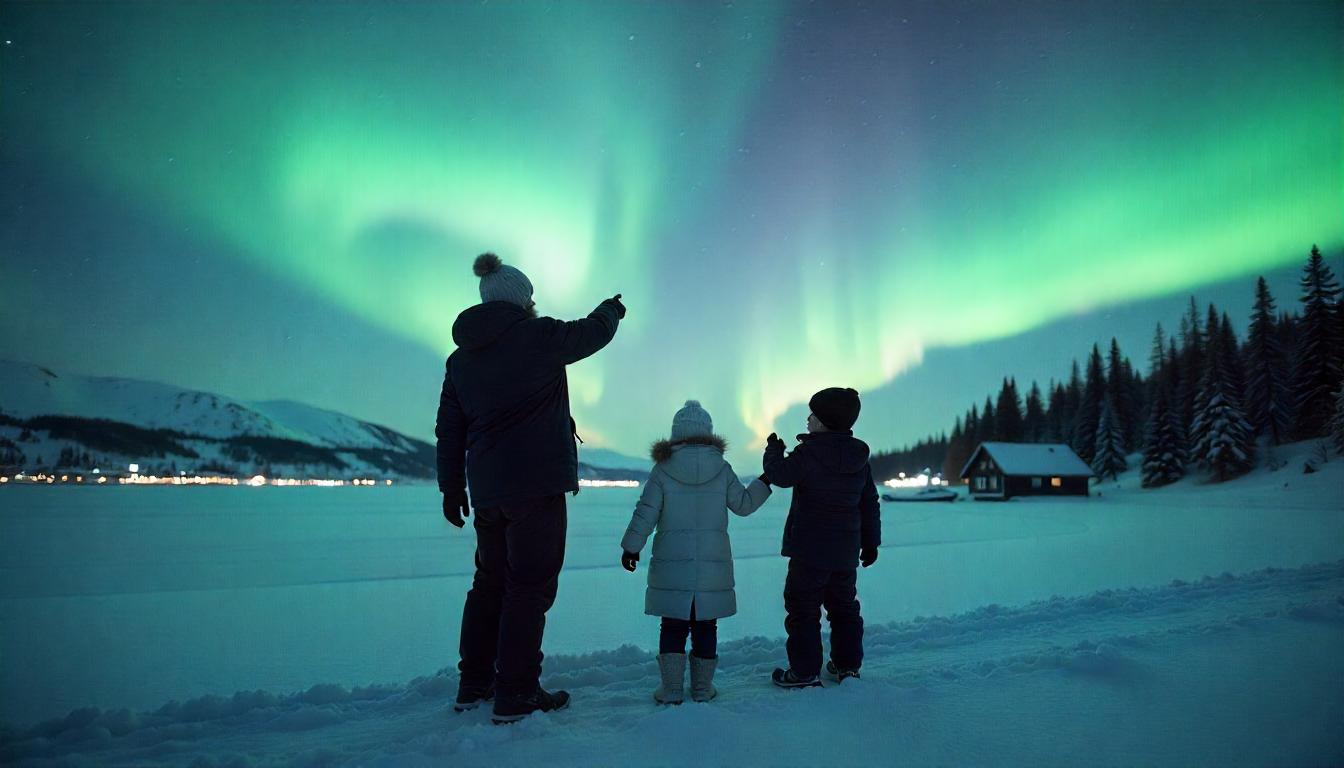
Discover Norway’s majestic landscapes, rich culture, and family-friendly adventures tailored for travelers of all ages.
National Anthem
LOCAL TIME
A Land of Fjords,
Adventure and Sustainability
Nestled in the heart of Scandinavia, Norway stands as a beacon of natural beauty, cultural richness, and sustainable living. With its dramatic fjords, snow-capped mountains, and vibrant cities, the country offers a harmonious blend of pristine wilderness and modern innovation. Whether you’re seeking thrilling outdoor escapades, tranquil retreats, or cultural immersion, Norway promises an experience that’s as diverse as its breathtaking landscapes.
For families, Norway’s safety, accessibility, and plethora of kid-friendly activities make it an ideal destination. Imagine your children marveling at the Northern Lights, exploring Viking history, or spotting reindeer in their natural habitat. Singles will find Norway’s vibrant cities like Oslo and Bergen perfect for networking, nightlife, and solo exploration, while retirees can bask in the serenity of its quaint villages, scenic cruises, and leisurely hiking trails.
Norway is also a pioneer in sustainability, championing eco-friendly travel and local community support. From its well-preserved UNESCO World Heritage Sites to its cutting-edge green technologies, every aspect of Norwegian life reflects a deep respect for the environment. This makes it a perfect choice for travelers who prioritize sustainable tourism.
In this comprehensive guide, we’ll cover everything you need to know about traveling to Norway. Explore family-friendly activities, learn about cultural traditions, and discover the best accommodations and dining options. Dive into practical travel tips, safety guidelines, and healthcare insights, along with detailed information on Norway’s unique immigration policies and legal landscape. Adventure enthusiasts can look forward to a special focus on extreme sports and outdoor experiences, while eco-conscious travelers will appreciate our dedicated section on sustainability.
Whether you’re planning a short vacation or considering a long-term stay, this guide will provide the knowledge and inspiration to make your Norwegian adventure unforgettable. Let’s dive into the magic of Norway and uncover why it’s a destination that resonates with people from all walks of life.
Family-Friendly Activities
Norway’s family-friendly activities are as varied and exciting as its landscapes. The country offers an unparalleled mix of outdoor adventures and indoor attractions, making it an excellent choice for families seeking memorable experiences. From the majestic fjords to the bustling cities, every corner of Norway has something unique to offer for visitors of all ages. Whether it’s embarking on a thrilling wildlife safari, enjoying interactive museum exhibits, or relaxing in family-friendly spas, Norway ensures an enriching and fun-filled trip for everyone.
Families can immerse themselves in nature by exploring the country’s numerous parks and beaches, or dive into the cultural richness at its many museums and aquariums. With a strong focus on safety and accessibility, Norway’s infrastructure supports seamless navigation, allowing parents and children alike to enjoy their journey without hassle. Here’s a comprehensive guide to some of the best family-friendly activities in Norway.
OUTDOOR ADVENTURES
-
National Parks and Wildlife Safaris
Explore Norway’s stunning national parks, such as Jotunheimen and Rondane, which offer family-friendly hiking trails and opportunities to spot wildlife. Guided safaris in regions like Dovrefjell let you encounter musk oxen, while Svalbard’s Arctic wilderness offers sightings of polar bears and reindeer. Moose spotting is another exciting activity, especially in areas like Østerdalen, where guided tours offer close-up encounters with these majestic animals. -
Fjord Cruises
Experience the majesty of Norway’s fjords with family-oriented cruises. Tours on the Geirangerfjord or Nærøyfjord, both UNESCO World Heritage Sites, provide stunning views and activities such as kayaking or fishing. Families can also enjoy deep-sea fishing and sea fishing excursions along the coast, with popular spots like Lofoten, Ålesund, and Sørøya known for their abundant marine life. -
Beaches and Coastal Adventures
Norway’s beaches, like the white sands of Jæren in Rogaland, are perfect for family picnics, kite-flying, and shallow water play. Coastal towns such as Ålesund also offer boat rentals and opportunities to explore Norway’s rich maritime culture. Families can also visit the Atlantic Ocean Road, one of the world’s most scenic drives, which offers spectacular views and opportunities for fishing and wildlife spotting. -
Adventure Parks and Climbing
From treetop adventures to zip lines, parks like Høyt & Lavt in Vestfold provide thrilling outdoor activities for all ages. Additionally, climbing areas like Flatanger cater to older kids and teens who want to try rock climbing in a safe environment. Horseback riding tours in scenic locations such as Lofoten and Dovrefjell allow families to explore nature in a relaxed and immersive way. -
Hiking and Winter Sports
-
The Besseggen Ridge (for older kids) – A scenic yet manageable challenge with panoramic lake views.
-
The Trollstigen Viewpoint – A shorter, accessible walk with breathtaking views.
-
The Rallarvegen Trail – A gentle hiking and biking route through nature.
-
Downhill skiing and snowboarding – Popular in resorts such as Trysil, Hemsedal, and Hafjell.
-
Cross-country skiing – One of Norway’s most beloved sports, with family-friendly trails in places like Lillehammer, Beitostølen, and Nordmarka.
-
Igloo overnight stays and ice hotels – Unique experiences at the Sorrisniva Igloo Hotel in Alta or the Snowhotel in Kirkenes.
-
-
Wildlife Parks & Farms
-
Namsskogan Family Park – A zoo with Nordic animals like moose and lynxes.
-
Langedrag Nature Park – An interactive wildlife park where kids can meet wolves, reindeer, and goats.
-
Local Farm Stays – Opportunities for children to feed animals and learn about rural Norwegian life, with farm stays available in Gudbrandsdalen and Telemark.
-
-
Waterfall Exploration
-
Steinsdalsfossen – A waterfall you can walk behind safely.
-
Vøringsfossen – A stunning cascade with well-placed viewpoints, featuring a thrilling suspension bridge for visitors.
-
-
Cycling Adventures
-
Mjølkevegen – A scenic route through the countryside, perfect for family-friendly cycling tours.
-
Oslo’s Car-Free Zones – Safe city biking for families exploring the capital’s parks and waterfront paths.
-
-
Camping & Outdoor Lodging
-
Public camping areas – Many are free and located in scenic spots like Hardangervidda National Park.
-
Cabins & glamping – Luxurious nature stays available in regions like the Lofoten Islands.
-
Igloo overnight stays and ice hotels – Unique experiences in Alta, Kirkenes, and Tromsø, where families can sleep in beautifully sculpted ice rooms and enjoy northern lights excursions.
-
-
Sledding and Snow Activities
During winter, Norway transforms into a wonderland. Visit locations such as Lillehammer, where families can enjoy sledding, snowshoeing, or building snow forts. Dog sledding tours in Tromsø, Svalbard, and Finnmark provide thrilling experiences, allowing visitors to guide their own sleds or ride with experienced mushers. Companies such as Villmarkssenter in Tromsø and Basecamp Explorer in Svalbard offer family-friendly packages with short and long excursions. -
Golfing
Norway offers scenic golf courses suitable for families, such as those in Oslo, Stavanger, and Lofoten, where players can enjoy the sport with stunning natural backdrops. Lofoten Links, in particular, is known for its dramatic coastal setting, offering midnight sun golfing during summer.
Norway’s outdoor adventures offer a diverse range of activities, ensuring every family can find the perfect blend of excitement, relaxation, and cultural exploration.
INDOOR ACTIVITIES
-
Museums and Cultural Centers
Norway boasts interactive museums such as the Norwegian Museum of Science and Technology in Oslo, where kids can engage in hands-on exhibits. The Viking Ship Museum and Fram Museum offer insights into Norway’s seafaring history, complete with child-friendly displays. The Kon-Tiki Museum showcases Thor Heyerdahl’s legendary expeditions, captivating young explorers. -
Aquariums and Zoos
The Bergen Aquarium and Kristiansand Zoo are top attractions. Families can enjoy watching seals, penguins, and native Norwegian wildlife, with educational programs that entertain and inform. The Polaria Arctic Experience Center in Tromsø offers interactive exhibitions about Arctic marine life, including a panoramic film about the northern lights. -
Science and Exploration Centers
Norway features exciting science centers such as the VilVite Science Center in Bergen, which offers hands-on experiments and interactive STEM learning. The INSPIRIA Science Center in Sarpsborg combines technology, sustainability, and physics in engaging ways for kids of all ages. -
Planetariums and Space Exhibits
The Nordic Institute for Theoretical Physics Planetarium in Tromsø offers immersive space experiences for children. Families interested in astronomy can also visit the Starmus Science and Music Festival in Trondheim, featuring global scientists and interactive exhibits. -
Escape Rooms and Mystery Adventures
Older kids and teenagers can enjoy puzzle-solving at Oslo Escape Room and Bergen’s Mystery Room, where they can engage in exciting challenges that require teamwork and logical thinking. -
Water Parks and Indoor Swimming Complexes
Norway offers family-friendly water parks such as The Aquarama Water Park in Kristiansand, featuring pools, slides, and wellness areas. Tøyenbadet in Oslo, one of the country’s largest indoor pools, has warm water areas perfect for younger children. -
Wellness and Relaxation
Relax with family-friendly spa experiences in destinations like Geilo or Trysil, where saunas and heated pools provide relaxation after a day of adventure. Many resorts also offer childcare services so parents can enjoy some downtime. -
Indoor Play Centers and Gyms
Almost all larger cities in Norway feature indoor climbing gyms and play centers tailored to families. Cities like Oslo and Trondheim have great options, with places like Leo’s Lekeland providing safe spaces for younger children to explore and burn off energy. Rush Trampoline Park in Oslo and Stavanger is an excellent choice for kids who love active indoor play. SNO Indoor Ski Center in Oslo offers year-round skiing opportunities and even features ice climbing facilities, providing a unique winter sports experience for families. More information can be found at www.snooslo.no. -
Theater and Performing Arts for Families
Norway has a rich performing arts scene, with family-friendly theaters such as the National Theatre in Oslo, which hosts seasonal productions for children. The Den Norske Opera & Ballett offers special family performances introducing kids to classical music and ballet. -
Libraries and Storytelling Sessions
The Deichman Library in Oslo hosts weekly storytelling and craft sessions for children. The Literature House (Litteraturhuset) in Bergen offers interactive workshops with Norwegian authors and illustrators, making literature fun for young readers. -
Seasonal Christmas and Winter Experiences
During the winter season, Christmas-themed indoor markets and Santa’s Village in Drobak offer magical holiday experiences. Families can also visit ice sculpture exhibitions in Tromsø, where beautifully carved ice structures create a winter wonderland indoors. -
Themed Retreats and Workshops
Creative workshops, such as traditional Norwegian craft-making or culinary classes, offer families a chance to learn something new together. Retreats focusing on storytelling or mythology provide cultural enrichment in an engaging way.
With such an extensive selection of indoor activities, families visiting Norway can find enriching and entertaining experiences no matter the season.
Recommendations
-
Explore Norway’s fjords with family-friendly cruise options from [FjordTours.com] for an unforgettable experience.
-
Visit top indoor attractions such as the VilVite Science Center in Bergen or SNO Indoor Ski Center in Oslo for year-round adventure and learning.
-
Book interactive museum tickets in advance at [Viator.com] to skip lines and save time.
-
Enhance your outdoor adventure with premium hiking and winter sports gear available on [Amazon Affiliate Links].
-
Plan a unique Arctic safari through [Svalbard Wildlife Expeditions] for a once-in-a-lifetime encounter with polar bears and reindeer.
-
Enjoy indoor play centers such as Leo’s Lekeland or Rush Trampoline Park, available in most major cities for family-friendly fun.
-
Stay at an ice hotel like the Snowhotel Kirkenes for an unforgettable winter wonderland experience.
Key Points
-
Outdoor Highlights: National parks, fjord cruises, beaches, adventure parks, skiing, and horseback riding offer endless family-friendly outdoor activities.
-
Indoor Attractions: Museums, aquariums, wellness centers, science centers, and themed retreats provide fun and educational experiences.
-
Year-Round Entertainment: From summer beach outings and hiking to winter snow adventures and ice climbing, Norway caters to families in all seasons.
-
Easy Accessibility: Norway’s family-friendly infrastructure, including well-connected public transport and stroller-friendly attractions, ensures a seamless travel experience.
-
Unique Experiences: Arctic safaris, igloo overnight stays, escape rooms, and planetariums add extra excitement for families exploring Norway.
Travel Planning and Essentials
Traveling to Norway is an adventure of a lifetime, offering a unique blend of stunning natural landscapes, rich cultural experiences, and world-class infrastructure. Proper planning is key to making the most of your trip, whether you’re seeking a tranquil retreat, family-friendly exploration, or action-packed adventures. Norway’s vast seasonal offerings, efficient public transportation, and welcoming facilities for travelers ensure a seamless journey for visitors of all ages.
From understanding the best times to visit to packing the right essentials for its diverse climate, preparation can transform your visit into an unforgettable experience. This section will guide you through seasonal highlights, budget-friendly strategies, and practical tips for navigating airports, local transportation, and family-specific needs. By the end, you’ll be fully equipped with all the essential knowledge for your Norwegian journey.
BEST TIMES TO VISIT, SEASONAL HIGHLIGHTS, AND WEATHER GUIDES
Norway offers breathtaking experiences year-round, with each season showcasing unique highlights. The country’s diverse geography means that seasonal transitions can vary greatly between regions, from the fjords of the west to the Arctic landscapes in the north. Whether you’re drawn to the endless summer daylight, the stunning autumn foliage, the snowy winter wonderland, or the fresh bloom of spring, Norway’s seasonal charm makes every visit special. Understanding the seasonal changes will help you plan the perfect trip based on your preferred activities and climate preferences. It’s important to note that Norway experiences significant variations in daylight hours throughout the year—winters bring shorter days with as little as a few hours of daylight in the north, while summers offer extended hours of sunshine, with the Midnight Sun in the far north ensuring near-constant daylight.
-
Summer (June to August): Long days and the midnight sun make summer the most popular time to visit. This season is perfect for outdoor activities like hiking, fjord cruising, and exploring Norway’s stunning natural landscapes. Coastal regions enjoy mild temperatures, while inland areas offer warm, sunny weather. The Lofoten Islands are particularly stunning during summer, with endless daylight perfect for kayaking and mountain hikes. This is also the best time for wildlife spotting, including puffins and whales. Festivals such as Bergenfest and Trondheim’s St. Olav Festival showcase Norway’s vibrant culture and traditions.
-
Autumn (September to November): Autumn brings a symphony of colors as the forests and fjords transition to vibrant reds and golds. It’s a quieter time for travelers, ideal for photography and enjoying Norway’s tranquility. This season is also great for berry and mushroom picking, a popular local activity. September can still offer mild weather, but by October, temperatures drop significantly, particularly in mountainous areas. The Northern Lights start to become visible in northern regions as the nights grow longer, making it an excellent time for aurora chasers.
-
Winter (December to February): Winter is magical in Norway, with snow-covered landscapes and opportunities for skiing, sledding, and chasing the Northern Lights. Destinations like Tromsø and Svalbard are hotspots for Arctic adventures. Ski resorts in Trysil, Hemsedal, and Lillehammer provide world-class skiing and snowboarding experiences, while cities like Oslo and Bergen transform into winter wonderlands with cozy cafés and festive Christmas markets. Dog sledding, snowshoeing, and even ice fishing are popular winter activities. December brings charming holiday festivities, January is great for Northern Lights, and February offers prime conditions for winter sports.
-
Spring (March to May): Although spring officially begins in March, much of Norway is still experiencing winter conditions, particularly in the north and mountainous regions. Snow remains in many areas, and temperatures can be quite cold, especially in early spring. True spring arrives in April and May, when flowers begin to bloom, and landscapes transform into lush greenery. May is one of the most beautiful months to visit, with longer daylight hours and pleasant temperatures, while April can still feel like winter in many places. The fruit orchards in Hardanger bloom in late April and early May, creating spectacular scenery, while cities like Bergen and Oslo start to see more outdoor festivals and events. By late spring, fjord cruising becomes especially picturesque as waterfalls swell from the melting snow.
TRAVEL APPS
Technology can make traveling in Norway more convenient and stress-free. Here are some essential travel apps to consider:
-
Entur: Plan public transportation routes across Norway, including trains, buses, and ferries.
-
Norway Lights: Track the best locations and times for viewing the Northern Lights.
-
Visit Norway: Find travel guides, activities, and recommendations based on your location.
-
Vipps: Norway’s most popular mobile payment app, useful for cashless transactions.
BUDGET-FRIENDLY TRAVEL IDEAS, PACKING TIPS, AND TRAVEL APPS
Traveling in Norway can be expensive, but careful planning can help travelers experience the country without overspending. Budget-conscious visitors can save money by choosing cost-effective accommodations, utilizing local discounts, and taking advantage of free or low-cost activities. Norway’s well-developed infrastructure offers plenty of ways to manage costs while enjoying its stunning landscapes and rich culture. Below are key tips for budget-friendly travel, essential packing items, and useful travel apps to enhance your journey. Whether you’re traveling during peak or off-season, planning ahead can help save money and maximize your experience.
-
Affordable grocery shopping: Supermarket chains like Rema 1000, Kiwi, and Coop offer budget-friendly meal options. Many stores have discounts on expiring items, and some locations provide self-service salad and hot food bars for an inexpensive meal.
-
Discount public transport: Look for deals on Vy trains and discount bus operators like Nor-Way Bus Express. Consider regional transport passes, such as the Oslo Pass or Bergen Card, which provide unlimited public transport and discounts on major attractions. For long-distance travel, the Norwegian Rail Pass allows for flexible train journeys across the country., which provide unlimited access to public transport and discounts on attractions.
-
Free and low-cost attractions: Many hiking trails, museums, and public parks offer free admission or discounted entry. Some city museums have free entry on certain days, and cultural festivals often include complimentary performances or exhibitions.
-
Use budget airlines and ferry deals: Airlines like Norwegian Air Shuttle and Widerøe offer domestic flight deals, while ferry companies like Color Line, Fjord Line, and Stena Line sometimes have seasonal discounts.
-
Dine smart: Opt for lunch specials at restaurants, as many places offer more affordable midday menus. Grocery stores often have pre-made meals and sandwiches at a fraction of the cost of dining out.. Consider bakeries for inexpensive and hearty Norwegian pastries.
PACKING ESSENTIALS
Packing appropriately for Norway’s seasons ensures both comfort and preparedness. A good layering strategy includes a base layer (moisture-wicking fabric), a mid-layer (insulating fleece or down), and an outer shell (waterproof and windproof jacket). Additionally, considering the weather conditions for your specific travel period will help you pack smartly.
Norway’s weather can be unpredictable, so packing appropriately is essential for a comfortable and enjoyable trip. Layers are key to adjusting to sudden temperature changes, and bringing the right travel gear will enhance your overall experience. Whether you’re exploring cities or venturing into nature, these essentials will help you stay prepared for Norway’s diverse climate and terrain.
-
Layers: Waterproof outerwear, comfortable hiking boots, and thermal clothing for winter trips. A windproof jacket is useful year-round, especially in coastal areas.
-
Bug spray: Mosquitoes can be an issue in some areas, especially near lakes and forests during summer.
-
Eye mask: Essential for summer travel due to near-constant daylight in the north, helping to maintain sleep cycles.
-
Portable Wi-Fi or SIM card: Ensures connectivity in remote regions. Providers like Telia and Telenor offer prepaid data plans suitable for travelers.
-
Reusable water bottle: Tap water in Norway is among the cleanest in the world, and filling up at public fountains saves money on bottled water. Collapsible bottles are ideal for saving space while traveling.
-
Power bank: Cold temperatures can drain batteries faster, especially in winter, making a power bank essential for keeping devices charged on long journeys.
-
Microspikes or ice grips: Recommended for winter travel, particularly when walking in icy city streets or hiking snowy trails. Thermal socks and waterproof gloves are also essential for staying warm in extreme cold.
Navigating Airports, Stroller-Friendly Options, and Local Transportation
Airports: Major airports like Oslo Gardermoen, Bergen Flesland, and Tromsø Langnes offer modern facilities with clear signage and family-friendly amenities. Most airports have play areas for children, nursing rooms, and stroller rental services.
Stroller-Friendly Travel: Norway’s cities and public transportation systems are highly stroller-friendly. Trams, buses, and ferries accommodate families, making it easy to navigate with young children.
Local Transportation:
Norway’s public transportation network is efficient and reliable, connecting urban centers, remote villages, and scenic landscapes. While public transport is convenient, travelers should be aware of ticketing requirements, such as purchasing tickets in advance to avoid fines. Some regions also offer integrated transport passes for multiple modes of travel. Buses do not accept cash payments, and some train stations lack ticket machines, requiring passengers to plan ahead. Using mobile ticketing apps and carrying a credit card ensures hassle-free travel. Below are key transportation options and important considerations for visitors.
-
Trains: Norway’s railway network is comfortable and scenic. Routes like the Bergen Railway and Flåm Railway offer breathtaking views.
-
Buses: Buses connect even the most remote destinations, ensuring comprehensive access to Norway’s natural wonders. Important: You cannot pay with cash for your ticket on the bus in Norway, and ticket machines are not available at every train station. To avoid fines for fare evasion, which can be a lengthy process, always ensure you have a working credit card or buy your ticket online in advance. [Affiliate link for credit cards abroad] and [Affiliate link for Entur].
-
Ferries: Norway’s extensive ferry network connects coastal cities, islands, and fjord regions, making it an essential part of transportation. Many ferries cater specifically to families, offering onboard amenities such as play areas, restaurants, and comfortable cabins. Color Line, Stena Line, and Fjord Line provide international connections with added convenience for travelers. Additionally, Hurtigruten, a historic coastal express, offers a scenic way to explore Norway’s rugged coastline, while public ferry routes like the Geiranger-Hellesylt ferry allow for breathtaking sightseeing through the fjords. These ferries also connect Norway with destinations such as Denmark, Germany, and Sweden, making them a great option for families traveling with children.
-
Electric vehicle rentals: Norway has one of the highest adoption rates of EVs, and renting one can be a cost-effective and eco-friendly way to travel.
-
Ferry and train combos: Some regions offer combined train & ferry tickets, making travel easier and more affordable.
RECOMMENDATIONS
-
Book the Norway in a Nutshell tour for a hassle-free way to explore fjords, mountains, and charming villages, with seamless transportation connections.
-
Use Skyscanner or Google Flights to find affordable flights to Norway’s major airports and set fare alerts for price drops.
-
Save on local transport with the Entur app, offering route planning, mobile ticketing, and public transport schedules across Norway.
-
Consider the Oslo Pass or Bergen Card for unlimited public transport and discounted entry to major attractions.
-
Use mobile-friendly payment options like Vipps, as cashless transactions are the norm in Norway.
-
Take advantage of budget-friendly grocery shopping at Rema 1000, Kiwi, and Coop, and look for meal discounts in supermarkets.
-
Plan ahead for train and ferry travel, as advance bookings often secure lower prices and guaranteed seats.
KEY POINTS
-
Seasonal Highlights: Norway’s beauty shines year-round, from Midnight Sun adventures in summer to Northern Lights viewing in winter.
-
Smart Packing: Pack layers, waterproof outerwear, and seasonal gear like microspikes for winter or breathable fabrics for summer.
-
Family-Friendly: Norway’s stroller-friendly infrastructure and family-oriented attractions make it ideal for traveling with kids.
-
Efficient Transport: Utilize Norway’s extensive train, bus, and ferry systems for smooth, scenic, and convenient travel.
-
Cashless Society: Most places in Norway do not accept cash, so always have a working credit/debit card or mobile payment app.
-
Budget-Friendly Travel: Use regional transport passes, grocery store meal deals, and budget airlines to cut down on travel costs.
Culture and Tradition
Norway’s culture and traditions are deeply rooted in its Viking heritage, natural landscapes, and a profound respect for community and sustainability. These traditions are seamlessly blended with modern influences, including Norway’s commitment to environmental consciousness, Nordic design, and an outdoor-focused lifestyle. With a history that spans centuries, the country offers a rich tapestry of customs, food, and social norms that provide a unique glimpse into its identity. From time-honored festivals to the flavors of its cuisine, Norwegian culture invites you to immerse yourself in its charm and authenticity.
Old Traditions and Historical Insights
Norway’s Viking legacy is one of the most fascinating aspects of its culture. Visitors can explore this heritage through well-preserved artifacts, historical sites, and museums like the Viking Ship Museum in Oslo. Annual Viking festivals, such as the Lofotr Viking Festival and the Midgard Viking Festival, bring the past to life with reenactments, crafts, and traditional Viking feasts. Traditional wooden stave churches, such as those in Borgund and Urnes, reflect the medieval artistry and craftsmanship that have endured for centuries. Additionally, Norway’s indigenous Sami people continue to practice reindeer husbandry and maintain unique cultural traditions, including joik, a form of traditional singing.
Rural areas of Norway still celebrate ancient customs, including folk music and dance, passed down through generations. The Hardanger fiddle, a distinctive Norwegian instrument, plays a central role in these cultural expressions.
Food, Cuisine, and Dining Traditions
Norwegian cuisine emphasizes fresh, locally sourced ingredients, reflecting the country’s deep connection to its natural surroundings. Traditional Norwegian cuisine is shaped by its geography, climate, and history, featuring a mix of preserved foods and fresh local ingredients. Seafood, dairy, and meats play a key role in everyday meals and festive gatherings. Popular dishes include:
-
Rakfisk: Fermented fish, a delicacy with a distinct taste.
-
Kjøttkaker: Norwegian meatballs served with gravy, potatoes, and lingonberry jam.
-
Brunost: A caramelized brown cheese that is a breakfast staple.
-
Lutefisk: Dried fish soaked in lye, a traditional holiday specialty.
-
Fenalår: Cured lamb leg, often served at festive gatherings.
-
Kransekake: Almond ring cake, a staple for celebrations.
-
Skillingsboller: Norwegian cinnamon buns, commonly enjoyed with coffee.
-
Lefse: A soft flatbread made with potatoes and butter, served with cinnamon and sugar or cured meats.
Seafood takes center stage, with salmon, cod, and king crab forming the backbone of many meals. Norwegian baking traditions also hold a special place in the culture, with beloved pastries accompanying coffee breaks. Coffee culture is deeply embedded in social life, with Norwegians being among the highest consumers of coffee in the world, often paired with pastries in hyggelige (cozy) gatherings. Dining in Norway often incorporates a strong emphasis on hygge—a sense of coziness and warmth—whether at a local café or a family’s kitchen table. Norwegians also have a deep-rooted love for Taco Fridays (Fredagstaco), a modern dining tradition where families gather to enjoy customized tacos with Norwegian twists.
Traditional Crafts, Cultural Immersion, and Language Learning
Norway’s traditional crafts, language, and cultural experiences provide visitors with a unique opportunity to engage with its rich heritage. From intricate handcrafts to immersive museums and language learning, there are many ways to connect with Norway’s past and present. Engaging in these experiences allows travelers to gain a deeper appreciation for the country’s artistic traditions and indigenous influences, as well as to foster meaningful interactions with locals.
-
Rosemaling & Wood Carving: Decorative painting and intricate wooden carvings showcase Norway’s rich artistic heritage.
-
Sami Duodji: Traditional Sami handicrafts, including leatherwork, textiles, and silver jewelry, play an essential role in indigenous culture.
-
Craft Workshops: Visitors can participate in hands-on workshops to learn traditional skills firsthand.
-
Open-Air Museums: Locations like Maihaugen and Norsk Folkemuseum offer immersive experiences where travelers can observe and interact with skilled artisans.
-
Language Learning: While most Norwegians speak fluent English, learning basic Norwegian phrases can enhance interactions and show cultural respect.
-
Courses & Resources: Norwegian is a melodic and accessible language, with courses available online and in cultural centers across the country.
-
Cultural Connection: Picking up a few phrases helps deepen connections with locals and enriches the travel experience.
Social Norms, Etiquette, and Taboos
Norwegians value modesty, equality, and respect for personal space. Greetings are typically formal but warm, with a firm handshake and eye contact. Understanding a few social norms can go a long way:
-
Punctuality: Being on time is highly regarded in both social and professional settings.
-
Shoes Off: It’s customary to remove your shoes when entering someone’s home.
-
Respect for Nature: Norwegians are environmentally conscious; recycling and minimizing waste are ingrained in daily life.
-
Personal Space: Norwegians appreciate personal space in public settings and avoid unnecessary small talk with strangers.
Taboos include discussing personal wealth or flaunting status symbols, as humility is a cherished trait in Norwegian society. This principle, known as Janteloven (The Law of Jante), emphasizes equality and discourages individual boasting or superiority.
Festivals, Myths, Legends, and Unique Cultural Elements
Norway’s festivals are a vibrant celebration of its history, folklore, and natural cycles. Key events include:
-
National Day (May 17th – Syttende Mai): A spirited celebration of Norway’s independence, featuring parades, traditional costumes (bunads), and communal gatherings.
-
Midsummer (St. Hans): A celebration of the summer solstice, marked by bonfires and outdoor festivities.
-
Sami National Day (February 6th): Honoring Sami heritage and traditions with cultural events and performances.
Myths and legends also form a captivating part of Norway’s cultural fabric. The Sami people have their own mythology, including stories of Stallo, a large, troll-like creature, and the Northern Lights, believed to be the spirits of ancestors dancing in the sky. Tales of trolls, fjord spirits, and Norse gods like Odin and Thor are deeply intertwined with Norway’s landscapes, offering a mystical lens through which to view its natural wonders.
The Hardanger fiddle, often played during folk dances, has long been associated with Norwegian legends and is said to produce melodies inspired by mystical beings. This instrument remains an integral part of Norwegian musical heritage, connecting modern performances with the country’s storytelling traditions.
Recommendations
-
Visit the Viking Ship Museum in Oslo for a deep dive into Norway’s seafaring heritage, showcasing well-preserved Viking vessels and historical artifacts.
-
Taste authentic Norwegian cuisine by joining a [local food tour] or dining at restaurants specializing in traditional dishes like lutefisk and fårikål.
-
Enroll in a cultural immersion workshop to learn crafts like rosemaling, wood carving, or Sami duodji, gaining hands-on experience with Norway’s artistic traditions.
-
Attend Syttende Mai (May 17th) celebrations on May 17th to witness parades, traditional bunads, and the lively patriotic spirit of Norway’s Constitution Day.
-
Experience a Norwegian folk music or dance event, such as a Hardanger fiddle performance, to immerse yourself in the country’s musical heritage.
Key Points
-
Rich Heritage: Explore Norway’s Viking history, stave churches, and folk traditions that provide insight into the nation’s cultural evolution.
-
Culinary Delights: Savor unique Norwegian dishes like rakfisk, brunost, fårikål, and fresh seafood, experiencing the diverse flavors of the region.
-
Craftsmanship: Engage in traditional crafts such as rosemaling, wood carving, and Sami duodji to appreciate Norway’s artistic legacy firsthand.
-
Social Etiquette: Respect Norway’s values of modesty, punctuality, and environmental consciousness, ensuring a smooth and respectful visit.
-
Festive Spirit: Participate in festivals such as Syttende Mai (May 17th), Midsummer celebrations, and Sami National Day to embrace the country’s vibrant cultural traditions.
-
Legends & Folklore: Discover Norway’s rich mythology, from tales of trolls to Sami legends about the Northern Lights, bringing history and fantasy to life.
ACCOMMODATION AND DINING
Norway’s accommodation and dining options reflect the country’s blend of tradition, innovation, and commitment to hospitality. Whether you’re a family looking for a cozy retreat, a couple seeking unique stays, or a traveler eager to explore local cuisine, Norway offers a plethora of choices to suit every preference and budget.
FAMILY-FRIENDLY HOTELS, UNIQUE STAYS, AND CAMPING OPTIONS
Finding the perfect place to stay in Norway depends on your travel style, whether you prefer the comfort of family-friendly hotels, the charm of unique accommodations, or the adventure of camping under the stars. Norway’s hospitality scene caters to all preferences, offering everything from high-end hotels with kid-friendly amenities to treehouses nestled in the forest and coastal fisherman’s cabins. With an emphasis on nature, sustainability, and guest experience, the country provides a diverse range of lodging options to make any visit memorable. Below are some of the best options to consider.
Family-Friendly Hotels
-
Scandic Hotels, Radisson Blu and Thon Hotels provide spacious family suites, on-site kids’ play areas, and convenient access to major attractions.
-
Many accommodations offer free stays for children, babysitting services, and child-friendly dining options.
-
Norefjell Ski & Spa is a great option for families looking for wellness facilities with pools and kid-friendly activities.
Unique Stays
-
Treehouses in Finnskogen provide an immersive experience in Norway’s lush forests.
-
Rorbu (fisherman’s cabins) in Lofoten let travelers experience traditional coastal living.
-
Farm stays allow visitors to participate in daily farm life, offering a hands-on experience of rural Norway.
-
Lighthouse stays, such as Ryvarden Lighthouse, provide a secluded and scenic escape.
-
Glass igloos at Lyngen North offer a chance to sleep under the Northern Lights.
-
Sorrisniva Igloo Hotel in Alta provides a truly Arctic experience with everything crafted from ice and snow.
Camping and Outdoor Stays
Norway is one of the few countries where wild camping is legally permitted everywhere, thanks to the ‘Allemannsretten’ (Right to Roam) law. This allows travelers to camp freely on uncultivated land, making it an ideal destination for outdoor enthusiasts seeking adventure and solitude in nature.
-
Geiranger Camping offers stunning fjord views with amenities like showers and cooking facilities.
-
Wild camping across Norway, including national parks, provides an off-grid experience for nature lovers, offering the chance to sleep under the stars in untouched landscapes.
-
Glamping at Canvas Hove features luxury yurts and safari tents for travelers who enjoy the outdoors with added comfort.
-
Campervan rentals allow for flexible and scenic road trips, combining transportation and accommodation in one package.
Norway’s accommodations cater to every kind of traveler, from families seeking convenience to adventurers looking for unique stays close to nature.
UNIQUE STAYS BEYOND THE ORDINARY
For travelers looking for accommodations that offer something truly special, Norway boasts a range of extraordinary places to stay. These unique lodgings provide unforgettable experiences, from sleeping under the Northern Lights to staying in remote, historic locations. Whether you seek complete seclusion, a luxurious escape, or an eco-conscious stay, Norway has something that goes beyond the usual hotel experience.
Extraordinary Stays in Norway
-
Floating Cabins & Glass Domes: Experience waterfront serenity in floating cabins or sleep beneath the Northern Lights in transparent domes at Narvik Arctic Dome or Lofoten Glass Igloos.
-
Secluded Fjord Retreats: Boutique hotels and exclusive lodges like Hotel Union Øye and Storfjord Hotel offer peaceful escapes with stunning panoramic views of Norway’s fjords.
-
Lighthouse Accommodations: Stay in a working lighthouse such as Litløy Fyr or Havsøya Fyr, where guests can enjoy unparalleled coastal views and complete solitude.
-
Sustainable & Off-Grid Stays: Eco-lodges like Fjærland Fjordstove Hotel and Kjerringøy Bryggehotell integrate sustainable practices with comfort, offering eco-conscious travelers a responsible way to enjoy Norway’s nature.
-
Luxury Igloo and Snow Hotels: Unique Arctic experiences await at Sorrisniva Igloo Hotel and Snowhotel Kirkenes, where visitors sleep in rooms sculpted from ice and snow, complete with thermal sleeping bags for comfort.
-
Heritage Manor Houses & Historic Inns: Stay in an elegant heritage hotel like Dalen Hotel, which offers a step back in time with period-style decor, fine dining, and lush gardens.
-
Converted Barns & Farmhouses: Enjoy a rural retreat in converted farmhouses such as Haaheim Gaard, where guests can experience Norwegian countryside charm paired with high-end hospitality.
Whether you’re seeking adventure, solitude, or a unique way to experience Norway’s natural beauty, these extraordinary accommodations promise a stay like no other.
KID-FRIENDLY DINING SPOTS AND ALLERGY-CONSCIOUS TIPS
Dining in Norway is a welcoming experience for families, with restaurants and cafés catering to children and those with dietary restrictions. Whether you’re looking for casual family-friendly eateries or allergy-conscious options, Norway’s dining scene ensures a stress-free meal for all. Many establishments provide dedicated children’s menus, play areas, and allergen-friendly dishes, making it easy to enjoy meals without worry. Additionally, supermarkets and food halls offer a variety of allergy-friendly options for those preferring to prepare meals on their own.
Kid-Friendly Restaurants
-
Egon and Peppes Pizza: Dedicated kids’ menus, high chairs, and welcoming atmospheres.
-
Jordbærpikene: A cozy café chain offering fresh meals with kid-friendly options.
-
Olivia Restaurants: Italian cuisine with flexible menu choices for children.
-
Lillepersille: A healthy fast-food chain with organic, fresh meal options suitable for kids.
Many restaurants also provide play areas, allowing parents to relax while children enjoy themselves.
Allergy-Conscious Dining
-
Eldhuset (Oslo): Specializes in gluten-free BBQ options.
-
Café Nyt (Bergen): Offers dairy-free and plant-based meals.
-
Supermarkets (Meny, Coop Mega): Feature dedicated allergy-friendly sections with lactose-free, gluten-free, and vegan products.
-
Vippa Oslo: A sustainable food hall featuring vendors with allergy-friendly meals.
Most restaurants clearly label allergens on their menus, and many offer gluten-free, dairy-free, and vegetarian options. For travelers with severe allergies, downloading the AllergyTranslate app can help communicate dietary needs effectively.
FINE DINING AND GOURMET EXPERIENCES
For those looking to indulge in Norway’s finest culinary offerings, the country boasts a growing fine dining scene that highlights local flavors and high-quality ingredients. From Michelin-starred establishments to countryside farm-to-table experiences, Norwegian gourmet dining blends innovation with tradition, offering something truly special for food enthusiasts. Many of these restaurants emphasize seasonal ingredients, locally sourced seafood, and traditional Nordic cooking techniques.
Michelin-Starred Restaurants
-
Maaemo (Oslo): Three Michelin stars, focusing on hyper-local Nordic cuisine.
-
Credo (Trondheim): Sustainable fine dining with a strong emphasis on organic ingredients.
-
RE-NAA (Stavanger): Known for innovative tasting menus inspired by Norwegian nature.
-
Under (Lindesnes): The world’s largest underwater restaurant, offering an immersive gourmet experience.
Seafood Specialties
-
Experience fresh seafood at gourmet eateries along the coast, where king crab and Arctic char are delicacies.
Cider and Cheese Pairings
-
Hardanger Cider Farms: Sample locally brewed ciders with stunning fjord views.
-
Tingvollost (Tingvoll): Award-winning cheese producer, home to the famous Kraftkar blue cheese.
-
Gangstad Gårdsysteri (Inderøy): A family-run farm offering farmstead cheeses paired with local drinks.
Farm-to-Table Dining
-
Hesby Farm (Rogaland): Traditional Norwegian meals made with locally grown ingredients.
-
Smalahovetunet (Voss): Specializes in traditional Western Norwegian dishes, including smalahove (sheep’s head).
-
Skrova Lighthouse Restaurant: A hidden gem featuring locally sourced seafood and farm-fresh ingredients.
With its diverse dining scene, Norway offers something for every palate, whether it’s a casual family meal, allergy-friendly dining, or a world-class gourmet experience.
UNIQUE CULINARY WORKSHOPS FOR IMMERSIVE EXPERIENCES
Norway’s culinary workshops provide an excellent opportunity to immerse yourself in the country’s rich food culture while learning traditional cooking techniques. Unlike fine dining experiences, these workshops focus on hands-on participation, allowing travelers to create and taste authentic Norwegian dishes. Whether you’re interested in seafood preparation, traditional bread baking, or foraging for wild ingredients, these workshops offer interactive experiences in breathtaking locations. Led by expert chefs, local farmers, or skilled artisans, these sessions provide a deeper connection to Norway’s food heritage.
-
Salmon Smoking in Tromsø: Discover the secrets of curing and smoking fresh Norwegian salmon, a key delicacy in Norway’s cuisine. Unlike fine dining seafood experiences, this hands-on class teaches the full process, from selecting the best fish to smoking it over traditional wood chips.
-
Traditional Lefse Baking: Learn how to make lefse, a soft Norwegian flatbread, from scratch in a countryside farm setting. This workshop allows you to prepare and cook lefse using traditional tools and techniques passed down through generations.
-
Seafood Masterclasses: Join a seafood preparation class in Ålesund or Bergen, where you can learn to fillet and cook cod, king crab, and Arctic char. These workshops emphasize hands-on skills rather than just the presentation seen in fine dining settings.
-
Foraging & Nordic Cooking: Explore Norway’s forests and coastlines on a guided foraging experience, followed by a cooking session using wild herbs, mushrooms, and berries. Unlike a curated restaurant meal, this workshop provides insight into Norway’s historic reliance on nature’s bounty for sustenance.
-
Cider and Cheese Pairing Workshops: Visit Ullensvang’s cider farms and learn about the fermentation process while pairing fresh apple ciders with locally made cheeses. Instead of simply enjoying pairings in a fine-dining setting, these workshops allow you to be part of the cider-making and cheese-aging process.
-
Traditional Lefse Baking: Learn how to make lefse, a soft Norwegian flatbread, from scratch in a countryside farm setting.
-
Seafood Masterclasses: Join a seafood preparation class in Ålesund or Bergen, where you can learn to fillet and cook cod, king crab, and Arctic char.
-
Foraging & Nordic Cooking: Explore Norway’s forests and coastlines on a guided foraging experience, followed by a cooking session using wild herbs, mushrooms, and berries.
-
Cider and Cheese Pairing Workshops: Visit Ullensvang’s cider farms and learn about the fermentation process while pairing fresh apple ciders with locally made cheeses.
These workshops are often set in stunning locations, such as traditional farms, coastal villages, or Arctic culinary hubs. Participants can enjoy hands-on experiences while surrounded by breathtaking landscapes, making the workshops not just educational, but truly unforgettable.
RECOMMENDATIONS
-
Stay at unique accommodations like treehouses in Finnskogen, glass cabins under the Northern Lights, or ice hotels in Alta for a once-in-a-lifetime experience.
-
Dine at top family-friendly restaurants such as Egon, Peppes Pizza, and Jordbærpikene, which cater to children with dedicated menus and play areas.
-
Join a hands-on culinary workshop to learn salmon smoking in Tromsø, traditional lefse baking, or seafood preparation from expert chefs.
-
Experience fine dining at Norway’s top restaurants, including Maaemo (Oslo), RE-NAA (Stavanger), and Under (Lindesnes) for a world-class gourmet meal.
-
Explore wild camping opportunities in Norway’s national parks, or enjoy glamping at Canvas Hove for a luxury outdoor retreat.
-
Visit cider farms and cheese producers in Hardangerfjord and Tingvoll to taste locally crafted products while learning about traditional food production.
-
Forage for wild ingredients and experience Nordic cooking classes, where participants use locally sourced herbs, mushrooms, and berries.
KEY POINTS
-
Family Comfort: Hotels with family-friendly amenities and allergy-conscious dining ensure a hassle-free stay.
-
Unique Accommodations: Experience treehouses, ice hotels, rorbu cabins, and floating lodges for a memorable visit.
-
Culinary Immersion: Join Norwegian cooking workshops, seafood masterclasses, and foraging tours for an authentic food experience.
-
Fine Dining Excellence: Savor Michelin-starred gourmet meals, farm-to-table dining, and traditional seafood feasts.
-
Outdoor Stays: Take advantage of Norway’s Right to Roam law for unparalleled camping and glamping adventures.
-
Gastronomic Discoveries: Visit cider farms, cheese producers, and seafood markets for hands-on tasting experiences.
Healthcare and Safety
Norway’s robust healthcare system and high safety standards make it a reassuring destination for travelers. With state-of-the-art medical facilities, accessible emergency services, and a stable political environment, visitors can explore the country with peace of mind. Whether you’re seeking information on medical care or tips for safe exploration, this section covers all essential details.
Access to Medical Care, Emergency Numbers, and Vaccination Requirements
1. Medical Facilities and Access Norway’s healthcare system is one of the best in the world, offering high-quality services to both residents and visitors. Public hospitals are well-equipped and staffed with trained professionals who can handle emergencies and routine care. For non-urgent medical needs, private clinics provide shorter wait times and multilingual staff.
Travelers can access medical care easily, especially in major cities like Oslo, Bergen, and Tromsø. Pharmacies, locally known as “Apotek,” are widespread and offer over-the-counter medications as well as prescription services.
2. Emergency Numbers In case of an emergency, dial 113 for medical assistance. For police services, call 112, and for fire emergencies, call 110. It is also recommended to have your travel insurance information readily available when seeking medical care.
3. Vaccination Requirements Norway does not require any specific vaccinations for entry. Routine immunizations, such as measles and tetanus, are commonly recommended in many countries. Those engaging in outdoor activities may want to be aware of tick-borne encephalitis, as ticks can be prevalent in rural areas during warmer months. Travelers may consult with a healthcare provider for personalized medical advice before their trip.
Political Stability, Security Tips, and Safe Play/Swimming Areas
1. Political Stability and General Safety Norway is one of the safest countries in the world, with a low crime rate and a stable political environment. Petty theft, such as pickpocketing, is rare but can occur in crowded tourist areas. Always remain vigilant and keep personal belongings secure.
2. Security Tips for Travelers
-
Avoid isolated areas after dark, especially in unfamiliar locations.
-
Keep emergency contact numbers saved on your phone and carry a physical copy in case of phone issues.
-
Use secure ATMs for cash withdrawals, preferably inside banks or reputable establishments.
3. Safe Play and Swimming Areas Families traveling with children will appreciate Norway’s abundance of safe play areas and swimming locations. Public playgrounds are well-maintained and often located near cafes or parks, allowing parents to supervise comfortably.
For swimming, many fjords, lakes, and public pools provide safe environments. Ensure you follow local guidelines and choose designated swimming zones, especially when exploring natural water bodies. Lifeguard services are available in popular spots during peak seasons.
Recommendations
-
Purchase travel insurance through trusted providers like [WorldNomads.com] to cover medical emergencies.
-
Carry a portable first aid kit available on [Amazon Affiliate Links] for quick solutions to minor injuries.
-
Use apps like [TravelSafe] to access emergency numbers and safety tips for your location.
-
Book accommodations with proximity to medical facilities for added convenience.
Key Points
-
World-Class Healthcare: Norway’s hospitals and clinics provide excellent medical care for travelers.
-
Emergency Preparedness: Keep important numbers like 113 (medical emergencies) and 112 (police) handy.
-
Vaccination Awareness: Ensure routine vaccinations are updated; tick-borne encephalitis may be relevant for outdoor explorers.
-
Safety First: Norway’s political stability and low crime rates make it a secure travel destination.
-
Family-Friendly Areas: Playgrounds and swimming spots are safe and well-maintained, catering to families with children.
Immigration and Legal Information
Navigating Norway’s immigration and legal landscape can seem daunting, but the country’s transparent processes and supportive resources make it accessible for visitors and expats alike. Whether you’re planning a short visit or considering long-term relocation, understanding the requirements and key laws will ensure a smooth transition.
Entry Conditions, Visa Requirements, and Long-Term Stay Options
1. Entry Conditions Norway is a member of the Schengen Area, which allows for visa-free travel for citizens of many countries for up to 90 days within a 180-day period. Travelers from countries outside this agreement will need to apply for a Schengen visa. Ensure your passport is valid for at least three months beyond your planned departure date.
For non-EU citizens, requirements may vary. It’s advisable to check Norway’s official immigration website or consult the nearest Norwegian consulate for detailed entry conditions.
2. Visa Requirements
-
Short-Stay Visa: Allows for tourism, family visits, or business purposes. Apply at least 15 days before your planned trip.
-
Work Visa: For individuals seeking employment in Norway, securing a job offer is typically required before applying. Skilled workers, seasonal workers, and au pairs have tailored visa categories.
-
Student Visa: Necessary for those enrolling in educational programs longer than three months. Proof of admission and sufficient funds is mandatory.
3. Long-Term Stay Options
-
Residence Permits: Individuals planning to stay longer than 90 days must apply for a residence permit. Categories include work, family immigration, and education.
-
Permanent Residency: After three years of continuous legal residence, eligible individuals can apply for permanent residency, provided they meet language and integration requirements.
-
Citizenship: Foreign nationals can apply for citizenship after seven years of residence, provided they renounce other nationalities, except in special cases.
Legal Changes and Key Laws for Expats and Visitors
1. Recent Legal Changes Norway frequently updates its immigration and labor laws to align with EU standards and global trends. In recent years, the government has introduced digital tools to streamline visa applications and residence permits. Ensure you stay informed about any changes that may impact your status or plans.
2. Key Laws and Regulations
-
Work Rights: Foreign workers are protected under Norway’s labor laws, ensuring fair wages, safe working conditions, and regulated hours.
-
Housing and Rentals: Rental agreements must be in writing and follow strict legal standards. Landlords cannot demand excessive deposits or unfair clauses.
-
Taxation: All residents, including temporary ones, are subject to Norwegian tax laws. Consult with a tax advisor to understand your obligations.
-
Driving and Transportation: A valid international driver’s license is required for short stays. For long-term residents, converting your license to a Norwegian one is necessary after one year.
Recommendations
-
Use resources like [UDI.no] for up-to-date immigration guidelines and application tools.
-
Consult [InternationalSOS] for tailored advice on navigating legal and healthcare matters in Norway.
-
Secure travel and legal insurance through providers like [SafetyWing.com] to protect against unforeseen circumstances.
-
Attend integration courses offered by local municipalities to learn about Norwegian society and language.
Key Points
-
Entry Clarity: Familiarize yourself with Schengen visa requirements and entry conditions.
-
Long-Term Opportunities: Explore residence permits, permanent residency, and citizenship pathways.
-
Legal Awareness: Understand labor laws, rental agreements, and tax obligations.
-
Helpful Tools: Leverage digital resources for streamlined visa and legal applications.
Real estate, business & Legal advice
Planning for long-term living or investing in Norway requires a deep understanding of its real estate market, business opportunities, and legal framework. Whether you’re a first-time buyer, an entrepreneur seeking new ventures, or a long-term expat planning your next steps, Norway’s transparent systems and supportive policies make it an attractive destination for investment and relocation. With its high standard of living, thriving economy, and robust legal protections, the country offers a secure environment for those looking to establish roots.
This section delves into the intricacies of property acquisition, rental agreements, and business formation, providing you with actionable insights to navigate Norway’s landscape confidently. Whether your goal is to own a picturesque cabin by the fjords or launch a start-up in its growing tech sector, our guide ensures you’re equipped to make informed decisions.
Land Purchase, House Purchase, and Construction: Property Markets, Legal Requirements, and Step-by-Step Guidance
1. Property Markets Norway’s real estate market is stable, with consistent demand for urban and rural properties. Major cities like Oslo, Bergen, and Stavanger feature high property prices, while rural areas offer more affordable options. Coastal regions and fjord areas are particularly popular for vacation homes and investment properties.
2. Legal Requirements for Purchasing Property Foreigners are generally allowed to purchase property in Norway without restrictions. However, certain rural areas and agricultural lands may have specific regulations. Ensure you conduct a thorough title search and verify zoning laws before purchasing.
3. Step-by-Step Guidance
-
Engage a Real Estate Agent: Licensed agents can help you navigate the market and identify suitable properties.
-
Legal Review: Hire a lawyer to review contracts and ensure compliance with local laws.
-
Financing: Obtain pre-approval for a mortgage if required. Norwegian banks offer competitive rates for residents.
-
Closing the Deal: Complete the purchase by signing a legally binding contract and transferring ownership.
Opportunities for Foreigners to Buy and Own Land, Credit Opportunities
Norway’s policies are welcoming to foreign investors. Land ownership is possible for both residents and non-residents, provided legal criteria are met. Financing options include:
-
Mortgages: Available to foreign buyers with proof of income and creditworthiness.
-
Government Programs: First-time buyers may benefit from incentives like reduced interest rates or tax deductions.
Long-Term Rental Advice: Negotiating Leases, Tenant Rights, and Recommended Platforms
Renting in Norway offers flexibility, especially for newcomers:
-
Negotiating Leases: Always sign a written agreement that outlines rent, deposit terms, and maintenance responsibilities. Be prepared to negotiate rental terms in competitive markets.
-
Tenant Rights: Norwegian law strongly protects tenants, ensuring fair treatment and transparent lease terms. Landlords cannot increase rent arbitrarily or evict tenants without due process.
-
Platforms: Popular rental platforms include Finn.no and Hybel.no, which feature a wide range of properties across Norway.
Company Formation and Business Opportunities: Legal Steps, Business Structures, and Key Industries
Starting a business in Norway is straightforward, thanks to its digitalized systems:
-
Legal Steps:
-
Register your business with the Brønnøysund Register Centre.
-
Obtain necessary permits and licenses based on your industry.
-
Open a business bank account for financial transactions.
-
-
Business Structures:
-
Sole Proprietorship (Enkeltpersonforetak): Ideal for small businesses with minimal risk.
-
Limited Liability Company (AS): Offers liability protection and is suitable for larger ventures.
-
Branch Office: For international companies operating in Norway.
-
-
Key Industries: Renewable energy, aquaculture, and technology are thriving sectors with ample growth potential.
Legal Advice and Property Transactions: Engaging Lawyers, Taxes, and Restrictions for Foreign Buyers
Engaging a lawyer is essential for property transactions and business registrations. They can:
-
Conduct title searches and draft legal documents.
-
Provide advice on tax implications for property ownership or business operations.
-
Ensure compliance with local regulations, especially for foreign buyers.
Importing Personal Goods: Customs Regulations, Taxes, and Shipping Solutions
When relocating to Norway, understanding customs regulations is crucial:
-
Personal Goods: Items for personal use can be imported duty-free if declared correctly. Prohibited items include certain plants, animals, and firearms.
-
Taxes and Duties: Expect to pay VAT on high-value goods. Always keep receipts and documentation.
-
Shipping Solutions: Use reliable services like [DHL] or [FedEx] for secure and efficient transport.
Recommendations
-
Consult real estate and legal experts through [ExpatLegal.com] for smooth property purchases.
-
Explore financing options with [Nordea Bank] for competitive mortgage rates.
-
Use platforms like [Finn.no] for rental and property searches.
-
Ship personal goods with trusted providers like [DHL Affiliate Links] to ensure safe relocation.
Key Points
-
Real Estate Opportunities: Norway welcomes foreign buyers with transparent property laws and financing options.
-
Rental Market: Strong tenant rights and reliable platforms simplify finding long-term housing.
-
Business Potential: Thriving industries and clear regulations support entrepreneurial success.
-
Legal Support: Engaging professionals ensures smooth transactions and compliance.
-
Customs Clarity: Follow regulations for seamless import of personal belongings.
Tax Overview and Guidance for Remote Workers
Norway offers a comprehensive and transparent tax system that ensures compliance and fairness for all residents, including expats and remote workers. Understanding the country’s tax obligations, benefits, and unique provisions is crucial for those planning to live or work here. This guide provides detailed insights into Norway’s tax residency criteria, key tax categories, and tailored advice for remote workers and entrepreneurs.
Tax Residency Criteria: Definitions, Classifications, and Obligations
1. Definitions and Classifications Tax residency in Norway is determined by the duration of your stay:
-
Resident for Tax Purposes: You are considered a tax resident if you stay in Norway for more than 183 days in a 12-month period or 270 days in a 36-month period.
-
Non-Resident: Individuals who do not meet the above criteria are only taxed on income earned within Norway.
2. Obligations of Tax Residents Tax residents are subject to worldwide taxation, which includes income from foreign sources. Non-residents are only taxed on income and assets sourced within Norway. Filing a tax return annually is mandatory for all residents.
Key Taxes: Income Tax, Consumption Tax, and Social Security Contributions
1. Income Tax Norway employs a progressive tax system with rates based on income levels:
-
Bracket Tax (Trinnskatt): Applies incrementally, starting at 1.7% for lower incomes and reaching 16.2% for higher incomes.
-
National Insurance Contributions: Employees pay 8.2% of their gross salary, while employers contribute 14.1%.
2. Consumption Tax (VAT) Value-Added Tax (VAT) in Norway is set at 25% for most goods and services. Reduced rates of 15% apply to food and non-alcoholic beverages, and 12% to public transportation and cultural events.
3. Social Security Contributions Norway’s social security system provides robust benefits, including healthcare, pensions, and unemployment insurance. Contributions are automatically deducted from salaries, ensuring compliance.
Special Considerations: Remote Work Income, Deductions, and Double Taxation Treaties
1. Remote Work Income Remote workers in Norway must report all income, including earnings from foreign clients. Ensure contracts and invoices clearly specify the nature of your work and payment terms to simplify tax filing.
2. Deductions Tax residents may claim deductions for:
-
Work-related travel expenses.
-
Home office setup costs.
-
Childcare expenses and educational costs.
3. Double Taxation Treaties Norway has agreements with several countries to prevent double taxation. These treaties allow you to claim tax credits for income taxes paid abroad, reducing your overall liability.
Corporate Tax and Property Tax: Important Details for Entrepreneurs and Property Owners
1. Corporate Tax The corporate tax rate in Norway is 22%, with allowances for deductions related to business expenses. Entrepreneurs must register their companies with the Brønnøysund Register Centre and file annual tax returns.
2. Property Tax Property tax rates vary by municipality, ranging from 0.1% to 0.7% of the property’s assessed value. Owners must also pay an annual wealth tax on total assets exceeding NOK 1.7 million.
Hiring Tax Consultants and Software Solutions for Simplified Filing
Navigating Norway’s tax system can be complex, especially for expats and remote workers. Hiring a tax consultant ensures compliance and maximizes deductions. Additionally, digital tools simplify tax filing:
-
Tax Consultants: Services like [PwC Norway] or [BDO] provide expert advice and support.
-
Software Solutions: Use tools like [Visma eAccounting] or [DNB Tax Assistant] for streamlined and accurate tax filing.
Recommendations
-
Consult [PwC Norway] for expert tax advice tailored to expats and remote workers.
-
Leverage double taxation treaties to reduce your overall tax burden.
-
Use tax software like [Visma eAccounting Affiliate Links] to simplify annual filings.
-
Plan deductions for home office expenses, childcare, and education to maximize tax savings.
Key Points
-
Residency Rules: Understand tax residency classifications and obligations.
-
Tax Categories: Familiarize yourself with income, VAT, and social security contributions.
-
Remote Work Benefits: Leverage deductions and double taxation treaties.
-
Entrepreneurial Taxes: Be aware of corporate tax and property tax requirements.
-
Expert Support: Hire consultants and use software tools for hassle-free tax filing.
Environment and Sustainability
Norway’s commitment to environmental conservation and sustainability is evident in its policies, practices, and natural landscapes. As a global leader in eco-friendly initiatives, Norway provides travelers with numerous opportunities to explore responsibly and contribute to the preservation of its pristine environment.
Eco-Friendly Travel and Sustainable Living Practices
1. Green Transportation Norway’s extensive public transportation network, including electric ferries and hybrid buses, makes it easy for travelers to minimize their carbon footprint. Cities like Oslo and Bergen are highly walkable, and bike rentals are widely available for eco-conscious exploration. Travelers are encouraged to use trains for intercity travel, such as the scenic Bergen Railway, which is powered by renewable energy.
2. Sustainable Accommodations Many hotels and lodges in Norway adhere to green certification standards like Green Key and Eco-Lighthouse. Options range from boutique eco-hotels in urban areas to nature-focused retreats in the countryside. For an immersive experience, consider staying at a farmstay that promotes organic farming and low-impact living.
3. Responsible Tourism Tips
-
Reduce waste by carrying reusable bottles and bags.
-
Respect wildlife by observing from a distance and following local guidelines.
-
Support local businesses and artisans to contribute to the community.
Supporting Local Communities and Reducing Travel Waste
1. Community-Based Tourism Norway promotes tourism that directly benefits local communities. Many small towns and rural areas offer workshops, cultural tours, and artisan markets, providing visitors with authentic experiences while supporting local economies.
2. Waste Management Practices Travelers are encouraged to follow Norway’s robust recycling programs. Public spaces and accommodations provide clearly marked bins for sorting waste. Avoid single-use plastics by opting for reusable utensils, straws, and containers.
3. Ethical Souvenirs Purchase handmade goods such as knitted wool sweaters, Sami jewelry, or handcrafted wooden items. These not only make meaningful keepsakes but also support sustainable industries.
Opportunities for Eco-Restoration or Conservation Projects
1. Volunteer Programs Visitors can participate in eco-restoration projects, such as reforestation initiatives and coastal cleanup drives. Organizations like [Norwegian Trekking Association] and [EcoVolunteers Norway] offer short-term opportunities for travelers to make a positive impact.
2. Wildlife Conservation Contribute to wildlife conservation efforts by joining guided tours that fund local projects. For example, whale-watching tours in Tromsø often partner with research initiatives to protect marine life.
3. National Park Contributions Norway’s national parks rely on visitor fees and donations to maintain their pristine conditions. Travelers can support these efforts by visiting responsibly and contributing to conservation funds.
Recommendations
-
Use eco-certified accommodations found on [Booking.com Green Stays] for sustainable lodging options.
-
Explore Norway’s natural beauty with guided tours from [ResponsibleTravel.com].
-
Participate in reforestation projects through [EcoVolunteers Norway Affiliate Links].
-
Pack a reusable water bottle and eco-friendly travel utensils to minimize waste.
Key Points
-
Eco-Travel: Leverage Norway’s green transportation and sustainable accommodations for responsible exploration.
-
Community Support: Engage in local activities and purchase ethical souvenirs to aid local economies.
-
Conservation Opportunities: Volunteer in eco-restoration projects and support wildlife initiatives.
-
Waste Reduction: Follow Norway’s recycling guidelines and minimize single-use plastic usage for a greener trip.
Education and Family Life
Norway’s family-centric culture and robust education system make it an excellent destination for families seeking enriching experiences and practical solutions for living or traveling with children. From comprehensive childcare resources to unique educational opportunities, Norway provides a nurturing environment for families.
Resources for Traveling Families: Babysitting, Daycare, and Family-Friendly Museums
1. Babysitting and Daycare Services Norway’s daycare system, known as “Barnehage,” is renowned for its quality and inclusivity. Temporary daycare services are available in major cities, catering to traveling families who need reliable care. Platforms like [Sitly] connect families with trusted babysitters and nannies for flexible arrangements.
2. Family-Friendly Museums Norwegian museums are designed to engage young minds while entertaining parents. Highlights include:
-
The Norwegian Museum of Science and Technology (Oslo): Interactive exhibits and hands-on activities for children.
-
The Polar Museum (Tromsø): A dive into Arctic exploration and wildlife.
-
The Kon-Tiki Museum (Oslo): Adventure and history brought to life with engaging displays.
These museums often provide dedicated play areas, family discounts, and multilingual guides to enhance the experience.
Cultural Immersion, Local Education Systems, and Expat Integration Tips
1. Cultural Immersion for Families Families can participate in immersive activities like folk dancing workshops, traditional Sami storytelling, and regional cooking classes. Seasonal festivals, such as Midsummer celebrations, offer fun ways for families to connect with Norwegian culture.
2. Local Education Systems Norway’s education system is one of the most progressive in the world, emphasizing holistic learning and equality. Public schools are free and offer a welcoming environment for expat children, with Norwegian language support integrated into the curriculum. Private and international schools are also available in urban areas, catering to diverse needs.
3. Integration Tips for Expats
-
Enroll in local cultural programs to build connections.
-
Use platforms like [Expat.com] to join family-friendly expat communities.
-
Take advantage of free Norwegian language courses offered by municipalities to ease the transition.
Homeschooling, Unschooling, and Alternative Education
1. Homeschooling Opportunities Homeschooling is legal in Norway, though it requires close collaboration with local municipalities. Parents must submit an educational plan and participate in regular assessments to ensure their children meet national standards.
2. Unschooling and Alternative Approaches Alternative education philosophies, such as Montessori and Waldorf schools, are gaining popularity in Norway. These schools emphasize creativity, independence, and hands-on learning, making them an attractive option for expat families.
3. Outdoor Education Norway’s “Friluftsliv” (open-air life) philosophy encourages outdoor learning. Forest schools and nature-based education programs are widely available, allowing children to explore and learn in Norway’s stunning natural environment.
Recommendations
-
Use platforms like [Sitly] to find reliable babysitting and childcare services.
-
Explore interactive museums like the Norwegian Museum of Science and Technology for family-friendly outings.
-
Enroll in outdoor education programs to immerse your children in Norway’s “Friluftsliv” culture.
-
Connect with expat families via [Expat.com] to share tips and build community.
Key Points
-
Family Resources: Access high-quality daycare, babysitting, and family-friendly attractions.
-
Cultural Immersion: Engage in local traditions, festivals, and workshops for a rich cultural experience.
-
Educational Options: Choose from public schools, international schools, and alternative education approaches.
-
Expat Support: Utilize language courses and expat networks to ease integration.
-
Outdoor Learning: Embrace Norway’s nature-focused education philosophy for a unique learning experience.
General Information and Geography
Norway is a country of breathtaking beauty, marked by its striking geography and iconic landmarks. From majestic fjords to vibrant cities, the nation’s landscape offers a diverse array of features that captivate travelers and nature enthusiasts alike. This section explores the key geographical highlights and unique natural landscapes that define Norway’s allure.
Overview of the Country’s Geography, Landmarks, and Notable Features
1. Geographic Overview Located in Northern Europe, Norway is part of the Scandinavian Peninsula. It is bordered by Sweden to the east, Finland and Russia to the northeast, and surrounded by the North Sea and the Norwegian Sea. With an area of over 385,000 square kilometers, the country is known for its elongated shape, extensive coastline, and dramatic natural terrain.
2. Iconic Landmarks
-
The Fjords: Norway’s fjords, such as Geirangerfjord and Nærøyfjord, are UNESCO World Heritage Sites and renowned worldwide for their serene beauty and steep cliffs.
-
The Arctic Circle: Northern Norway is home to the Arctic Circle, offering unique phenomena like the Midnight Sun and the Northern Lights.
-
Preikestolen (Pulpit Rock): A sheer cliff overlooking Lysefjord, popular among hikers and photographers.
-
Oslo Opera House: A modern architectural marvel that reflects Norway’s contemporary cultural scene.
3. Major Cities and Urban Centers
-
Oslo: The capital city, known for its green spaces, museums, and vibrant cultural life.
-
Bergen: The gateway to the fjords, offering historic charm with its UNESCO-listed Bryggen Wharf.
-
Tromsø: Dubbed the “Gateway to the Arctic,” it’s famous for polar research and winter activities.
Unique Natural Landscapes
1. The Northern Lights and Polar Nights One of Norway’s most sought-after experiences, the Northern Lights (Aurora Borealis) can be viewed in the winter months, particularly in regions like Tromsø and Lofoten. The Polar Nights, when the sun doesn’t rise for weeks, offer an enchanting and otherworldly atmosphere.
2. Glaciers and National Parks Norway boasts numerous glaciers, including Jostedalsbreen, the largest in continental Europe. National parks like Jotunheimen and Hardangervidda provide stunning vistas, hiking trails, and opportunities to observe native wildlife such as reindeer and Arctic foxes.
3. Coastal Beauty and Islands Norway’s coastline stretches over 100,000 kilometers when including its many islands. The Lofoten Islands and Svalbard Archipelago are renowned for their dramatic landscapes, picturesque fishing villages, and abundant marine life.
4. Mountains and Waterfalls The country is home to some of Europe’s most impressive mountains and waterfalls, including Trolltunga and Vøringsfossen. These natural wonders attract adventurers and provide unforgettable photo opportunities.
Recommendations
-
Take a scenic train ride on the [Bergen Railway] to experience Norway’s dramatic landscapes.
-
Visit the Geirangerfjord and Nærøyfjord with guided tours from [FjordTours.com].
-
Explore Tromsø’s Arctic charm with curated packages available through [ArcticAdventures Affiliate Links].
-
Hike to iconic landmarks like Preikestolen and Trolltunga for stunning panoramic views.
Key Points
-
Geographic Highlights: Norway’s diverse terrain includes fjords, glaciers, and the Arctic Circle.
-
Iconic Landmarks: From the Northern Lights to modern marvels like the Oslo Opera House.
-
Natural Wonders: Explore national parks, waterfalls, and coastal beauty.
-
Urban Hubs: Cities like Oslo and Bergen combine cultural richness with accessibility to nature.
Economy and Budgeting
Norway’s strong economy and high standard of living make it an attractive destination for expats, remote workers, and travelers. However, understanding the cost of living, budgeting strategies, and economic opportunities is essential for making the most of your experience in this dynamic country.
Cost of Living, Currency Exchange, and Discounts
1. Cost of Living Overview Norway is renowned for its high cost of living, particularly in major urban centers like Oslo, Bergen, and Stavanger. However, the excellent public services, infrastructure, and overall quality of life often justify these expenses. Key expenses include:
-
Accommodation: Renting a one-bedroom apartment in city centers typically costs between NOK 10,000 and 15,000 per month. Suburban or rural areas offer more affordable options.
-
Groceries: Imported goods are significantly more expensive than locally sourced produce. Seasonal and regional items often provide better value for money.
-
Transportation: Norway’s public transportation system is efficient and eco-friendly. Monthly travel passes, such as those available in Oslo, offer significant savings for frequent users.
2. Currency and Exchange The Norwegian Krone (NOK) is the official currency. Travelers and expats should be aware that credit and debit cards are widely accepted across the country, even in remote areas. While currency exchange services are available at airports and banks, using ATMs often provides the most favorable exchange rates. For long-term residents, setting up a local bank account is highly recommended.
3. Discounts and Saving Tips
-
Leverage discount cards like the Oslo Pass, which provides free entry to attractions, discounted public transport, and other perks.
-
Take advantage of family and student discounts at restaurants, attractions, and transport hubs.
-
Grocery chains such as Kiwi, Rema 1000, and Coop Extra offer competitive prices and frequent promotions.
Work-and-Travel Opportunities for Expats and Visitors
1. Employment Opportunities Norway’s thriving economy is driven by diverse industries. English-speaking expats can find roles in:
-
Technology and Engineering: Opportunities abound in IT, software development, and green energy initiatives.
-
Hospitality and Tourism: Seasonal positions are available in hotels, restaurants, and adventure tourism hubs.
-
Education: Teaching English as a second language is a popular choice for expats.
2. Work Visas Obtaining a work visa typically requires a valid job offer. Norway offers specialized programs, such as the Youth Mobility Scheme, allowing citizens of certain countries to live and work temporarily. Expats should also explore the Skilled Worker Visa and Seasonal Worker Visa for tailored opportunities.
3. Freelancing and Remote Work Norway is an ideal destination for digital nomads and remote workers due to its excellent internet infrastructure and coworking spaces. Cities like Oslo and Bergen host numerous coworking hubs, and platforms like WorkFrom provide resources for locating remote-friendly venues.
Budget Tips for Families and Insights into Key Industries
1. Budgeting for Families For families relocating to or traveling in Norway, financial planning is essential:
-
Dining: Preparing meals at home can significantly reduce costs compared to dining out.
-
Attractions: Public parks, hiking trails, and outdoor activities are free or low-cost alternatives to commercial entertainment.
-
Travel Timing: Visiting during the shoulder seasons (spring and autumn) offers better rates for accommodations and flights.
2. Key Industries Norway’s economy is built on robust and innovative sectors:
-
Renewable Energy: Norway is a global leader in hydroelectric power and emerging green technologies like wind and solar energy.
-
Fisheries and Maritime Industries: Coastal towns thrive on fishing, aquaculture, and shipping, offering jobs and investment opportunities.
-
Tourism: Adventure tourism, cultural experiences, and Northern Lights tours are significant contributors to the economy.
-
Technology and Startups: Innovation hubs in Oslo and Trondheim drive advancements in AI, fintech, and green solutions.
Recommendations
-
Use budgeting apps like [YNAB Affiliate Links] to track expenses and optimize savings.
-
Research job opportunities through platforms like LinkedIn and Indeed Norway for targeted industry roles.
-
Explore remote work and freelance platforms such as Upwork and Fiverr to supplement income while in Norway.
-
Utilize family discounts on transport and attractions with passes like the Oslo Pass.
Key Points
-
High Costs, High Value: Norway’s high cost of living is balanced by exceptional public services and quality of life.
-
Diverse Work Opportunities: Thriving industries include renewable energy, technology, tourism, and fisheries.
-
Family-Friendly Planning: Save on expenses by cooking at home, using discount cards, and exploring free outdoor attractions.
-
Remote Work-Friendly: Norway’s advanced digital infrastructure supports freelancers and remote professionals.
-
Strategic Savings: Use budgeting tools and discount programs to manage costs effectively.
TRANSPORTATION INFRASTRUCTURE
Norway’s transportation system is a model of efficiency and sustainability, ensuring seamless connectivity across the country’s cities, rural areas, and iconic natural landscapes. Whether traveling for work, leisure, or adventure, visitors and residents can rely on comprehensive public transport options, accessibility features, and innovative solutions for eco-friendly travel. This section provides an in-depth guide to navigating Norway’s extensive infrastructure.
LOCAL TRANSPORTATION OPTIONS: TRAINS, BUSES, DOMESTIC FLIGHTS, FERRIES, AND BIKE RENTALS
Norway has a well-integrated public transport system, but travelers should be aware of some key details when using it. Cash payments are not accepted on buses, and many train stations do not have ticket vending machines, making mobile ticketing essential. Public transport is highly digitized, with modern apps providing real-time schedules, ticketing, and route planning.
1. Trains
Norway’s rail network is renowned for its reliability, comfort, and breathtaking scenery. Operated primarily by Vy, trains connect major cities, rural regions, and tourist destinations:
-
Bergen Railway: A world-famous route offering stunning views of fjords and mountains, often hailed as one of the most scenic train journeys in the world.
-
Flåm Railway: A must-see experience, this picturesque route showcases Norway’s dramatic landscapes with steep inclines and cascading waterfalls.
-
Night Trains: Convenient overnight services between Oslo, Bergen, Trondheim, and other cities, featuring sleeper compartments that combine comfort with efficiency.
-
Regional and Local Services: Comprehensive rail connections ensure easy access to smaller towns and attractions, making trains a preferred mode of transport for many travelers.
2. Buses
Buses play a crucial role in Norway’s transportation network, especially in regions not served by trains. Companies like Nor-Way Bussekspress, Nettbuss, and local operators provide extensive routes:
-
Intercity Coaches: Comfortable and modern buses connect cities and towns across Norway, offering amenities like Wi-Fi and reclining seats.
-
Local Bus Services: Frequent and affordable options operate within urban centers and rural communities.
-
Airport Shuttles: Dedicated bus routes link major airports to nearby cities and transport hubs, ensuring convenient transfers.
[Affiliate Link for Online Ticketing Services & Credit Cards] to ensure smooth digital payments and advance ticket purchases.
3. Domestic Flights
Given Norway’s vast geography, domestic flights are essential for covering long distances quickly. Airlines like SAS, Norwegian Air Shuttle, and Widerøe offer reliable services:
-
Key Routes: Flights connect Oslo with northern destinations like Tromsø, Bodø, and Kirkenes, as well as other major cities.
-
Regional Airports: Smaller airports ensure accessibility to remote areas, including the Arctic regions and islands.
-
Tips for Budget Travel: Booking tickets in advance and traveling during off-peak seasons can help secure competitive rates.
4. Ferries
Ferries are an essential part of Norway’s transportation system, providing links between mainland cities, fjord regions, and remote islands. Norway’s extensive coastline and numerous waterways make ferries a vital mode of transport for both locals and visitors:
-
Hurtigruten & Havila Voyages: These coastal ferries operate along Norway’s coastline, connecting Bergen to Kirkenes, with multiple scenic stops along the way.
-
Public Ferry Services: Operated by companies like Fjord1 and Norled, these ferries provide daily transport between major fjords, islands, and coastal towns.
-
Lofoten and Northern Ferries: Routes connecting Bodø to the Lofoten Islands and Tromsø to nearby Arctic destinations offer breathtaking sea views and wildlife spotting opportunities.
-
Car Ferries: Many ferry services allow vehicle transport, making them ideal for road-trippers exploring Norway’s fjords and islands.
5. Bike Rentals and Cycling
Cycling is an increasingly popular and eco-friendly way to explore Norway’s cities and countryside:
-
Bike-Sharing Schemes: Cities like Oslo, Bergen, and Trondheim feature bike-sharing programs such as Oslo City Bike, offering affordable and convenient rental options.
-
Dedicated Bike Paths: Extensive cycling infrastructure ensures safe and scenic routes, from urban trails to countryside adventures.
-
Long-Distance Cycling: Enthusiasts can explore iconic routes like the Rallarvegen trail, which combines stunning landscapes with historical significance.
ACCESSIBILITY FOR TRAVELERS WITH DISABILITIES AND PUBLIC TRANSPORT NAVIGATION
1. Accessibility Features
Norway prioritizes inclusivity, ensuring public transport is accessible for travelers with disabilities:
-
Trains and Buses: Most vehicles are equipped with ramps, priority seating, and visual and audio announcements.
-
Ferries: Major ferry services, including those to the Lofoten Islands, provide wheelchair-accessible facilities, elevators, and accessible restrooms.
-
Airports: Comprehensive assistance services at Norwegian airports include mobility support, priority check-in, and guided pathways for visually impaired travelers.
2. Navigating Public Transport
Travelers can simplify their journeys using modern apps and digital tools, as public transport in Norway is largely cashless:
-
Entur: A national platform providing real-time schedules, route planning, and ticket purchasing for trains, buses, and ferries.
-
Ruter: A local app designed for navigating Oslo’s metro, trams, and buses, offering digital payment options.
-
Vipps: Norway’s leading mobile payment app, widely accepted for ticket purchases and other transactions.
-
Contactless Payment: Credit/debit cards and mobile payments like Google Pay and Apple Pay are commonly accepted throughout the transport network.
[Affiliate Link for Online Payment Methods & Credit Cards] ensures seamless transactions for travelers relying on digital payments.
RECOMMENDATIONS
-
Book train journeys on [NorwayRail Affiliate Links] for scenic routes and affordable fares.
-
Use ferry services such as Hurtigruten and Fjord1 to explore Norway’s coastal and fjord regions.
-
Download essential travel apps like Entur and Ruter for real-time updates and mobile ticketing.
-
Use contactless payment methods via Vipps, Google Pay, or Apple Pay, as cash is not accepted on most buses and some train stations lack vending machines.
-
Rent bikes through [Oslo City Bike Affiliate Links] for sustainable and enjoyable exploration.
-
Plan domestic flights with [SAS Affiliate Links] to save on long-distance travel.
-
Secure an international credit card with no foreign transaction fees for hassle-free payments across Norway.
Key Points
-
Efficient Connectivity: Norway’s rail, bus, and air networks ensure seamless travel across urban and remote regions.
-
Eco-Friendly Exploration: Bike rentals, electric ferries, and green initiatives promote sustainable transport.
-
Accessible Travel: Comprehensive accessibility features enable hassle-free navigation for travelers with disabilities.
-
Travel Apps: Tools like Entur and Ruter streamline route planning and ticketing for maximum convenience.
-
Budget-Friendly Options: Advance booking and discount cards help manage travel expenses effectively.
Shopping and Local Markets
Shopping in Norway is an immersive experience that combines traditional crafts, local goods, and modern convenience. Whether you’re exploring bustling urban markets or quaint village shops, Norway offers a treasure trove of unique items and cultural insights. This section highlights popular goods, traditional crafts, and tips for navigating the country’s shopping culture.
Popular Goods, Traditional Crafts, and Top Markets
1. Traditional Crafts and Handicrafts Norway is renowned for its handcrafted goods, which reflect the country’s rich heritage and artistic traditions:
-
Knitted Wool Sweaters: Iconic Norwegian sweaters, such as those from Dale of Norway, are both practical and stylish.
-
Sami Handicrafts: Explore traditional Sami crafts, including silver jewelry and reindeer leather goods, often found in northern regions.
-
Rosemaling: This traditional Norwegian decorative painting adorns wooden items like bowls, furniture, and keepsakes.
2. Local Goods and Specialty Items
-
Brunost (Brown Cheese): A beloved staple, this caramelized cheese makes for a unique and tasty souvenir.
-
Seafood Delicacies: Purchase dried cod or smoked salmon, which are hallmarks of Norwegian cuisine.
-
Lofoten Stockfish: A specialty from the Lofoten Islands, this dried fish is a cultural and culinary symbol.
3. Top Markets and Shopping Areas
-
Mathallen Oslo: A food lover’s paradise, this market offers locally sourced produce, artisanal goods, and gourmet delights.
-
Bergen Fish Market: One of Norway’s most famous markets, featuring fresh seafood, souvenirs, and local crafts.
-
Trondheim’s Farmer’s Market: Known for organic produce, baked goods, and handmade crafts.
Bargaining Tips and Local Shopping Etiquette
1. Bargaining Culture While Norway does not have a strong bargaining culture, there are ways to shop smart:
-
Sales and Discounts: Look for seasonal sales, especially during winter and summer.
-
Tax-Free Shopping: Visitors can claim VAT refunds on eligible purchases over a certain amount. Keep your receipts and inquire about tax-free forms at participating stores.
2. Shopping Etiquette
-
Respect Local Norms: Politeness and patience are appreciated when interacting with shopkeepers.
-
Sustainable Choices: Opt for locally made products to support small businesses and reduce environmental impact.
-
Payment Methods: Credit and debit cards are widely accepted, even for small transactions.
Recommendations
-
Visit Mathallen Oslo for gourmet foods and artisanal products.
-
Shop for authentic wool sweaters from brands like Dale of Norway for quality and style.
-
Explore Sami markets in Tromsø for unique jewelry and crafts.
-
Take advantage of tax-free shopping for significant savings on souvenirs and goods.
Key Points
-
Cultural Souvenirs: Find unique handicrafts like wool sweaters, rosemaling, and Sami jewelry.
-
Top Markets: Explore Mathallen Oslo, Bergen Fish Market, and Trondheim’s Farmer’s Market for authentic shopping experiences.
-
Smart Shopping: Use tax-free refunds and seasonal sales for better deals.
-
Shopping Etiquette: Support local businesses and choose sustainable, high-quality goods for meaningful purchases.
Adventure and Sports Tourism
Norway is a paradise for adventure enthusiasts and sports lovers, offering a wide range of thrilling activities set against some of the most breathtaking natural landscapes in the world. This section explores the diverse array of extreme sports and outdoor adventures available in Norway, making it a must-visit destination for adrenaline-seekers.
Extreme Sports: Diving, Paragliding, Climbing, and Ice Climbing
Norway’s dramatic landscapes create the perfect playground for extreme sports enthusiasts. Whether it’s soaring above fjords, exploring underwater shipwrecks, or scaling towering cliffs, Norway offers some of the most exciting and challenging adventure experiences in the world. In addition to traditional rock climbing, ice climbing on frozen waterfalls has become increasingly popular, attracting thrill-seekers from around the world. With safety-focused tour operators and stunning natural backdrops, these sports attract both seasoned professionals and daring newcomers looking for an unforgettable challenge.
Diving
-
Saltstraumen: Home to the world’s strongest tidal current, providing thrilling underwater adventures and a rich ecosystem.
-
Narvik: Dive among WWII shipwrecks in this historical fjord, offering both a historical and aquatic experience.
-
Lofoten Islands: Famous for its underwater caves, coral walls, and vibrant aquatic ecosystems, perfect for divers of all skill levels.
Paragliding
-
Voss: Known as the adventure capital of Norway, offering tandem flights and courses over fjords, valleys, and snow-capped mountains.
-
Romsdalen Valley: Fly above dramatic cliffs, serene valleys, and breathtaking fjords for a once-in-a-lifetime aerial adventure.
-
Hardangervidda Plateau: A favorite for experienced paragliders, offering long-distance flights over Norway’s largest national park.
Climbing
-
Trolltunga: A bucket-list destination for adventurous climbers, offering panoramic views and challenging ascents.
-
Flatanger Cave: A world-class climbing site attracting professional climbers with its steep overhangs and unique formations.
-
Preikestolen (Pulpit Rock): Ideal for those seeking a rewarding climb with iconic photo opportunities at the summit.
Deep-Sea Fishing and Whitewater Rafting
For those who crave the thrill of reeling in massive fish, Norway is one of the top deep-sea fishing destinations in the world. With its nutrient-rich waters and vast coastline, the country offers year-round opportunities to catch cod, halibut, mackerel, and more. Whether fishing from a charter boat or a traditional Norwegian fishing village, anglers are sure to experience the adventure of a lifetime while surrounded by breathtaking marine scenery.
In addition to fishing, Norway’s whitewater rafting scene is world-class, with locations like Voss and Sjoa offering thrilling rapids ranging from beginner-friendly runs to extreme Class V challenges.
-
Sørøya Island: Known as the “fishing capital of Norway,” perfect for catching cod, halibut, and other prized species.
-
Hitra and Frøya: These islands provide excellent fishing opportunities, guided tours, and cozy fishing lodges.
-
Lofoten Islands: Renowned for their traditional fishing villages, these islands combine cultural immersion with unparalleled fishing experiences.
Hunting Sport and Wilderness Survival Expeditions
Norway’s vast wilderness provides exceptional opportunities for hunters seeking an immersive experience in nature. With strict regulations ensuring sustainability, hunting in Norway is deeply embedded in cultural traditions. From tracking moose in dense forests to pursuing wild reindeer in the mountains, hunters can take part in one of the oldest and most respected outdoor activities in Scandinavia.
For those looking for an extra challenge, wilderness survival expeditions provide a unique opportunity to test outdoor skills in Norway’s rugged terrain. These experiences, often held in Børgefjell National Park or the Arctic regions, include learning navigation, fire-building, shelter-making, and foraging.
-
Moose Hunting: Join guided hunts during the autumn season, a deeply rooted tradition in Norwegian culture.
-
Small Game Hunting: Pursue grouse, hare, and waterfowl in designated hunting areas under expert supervision.
-
Wild Reindeer Hunts: A challenging and exclusive experience in Norway’s mountainous regions, requiring careful planning and permits.
Motorcycling, Off-Road Adventures, and Arctic Snowmobiling
Few countries in the world offer motorcycle and off-road enthusiasts the kind of dramatic landscapes found in Norway. From winding fjord-side roads to rugged mountain trails, riders can experience the country’s most breathtaking scenery while enjoying the thrill of the open road. With a combination of well-maintained highways and off-road adventure trails, Norway is a dream destination for those who love exploring on two or four wheels.
For those looking to ride in extreme conditions, Arctic snowmobiling in Tromsø, Svalbard, and Finnmark provides a high-speed way to traverse snowy landscapes, frozen lakes, and remote wilderness areas.
Iconic Motorcycle Routes
-
Atlantic Road: Known as one of the world’s most beautiful drives, this winding coastal route connects islands with dramatic ocean views.
-
Trollstigen (Troll’s Path): A serpentine mountain road featuring steep inclines, sharp turns, and panoramic vistas, perfect for thrill-seekers on two wheels.
-
Sognefjellet Road: Norway’s highest mountain pass offers a blend of snow-capped peaks, winding roads, and fjord views.
Quad Biking and Off-Road Adventures
-
Geilo Off-Road Trails: Explore Norway’s mountainous terrain on quad bikes with guided tours that include challenging trails and stunning views.
-
Finnmark Wilderness Rides: Quad biking in the Arctic wilderness combines adrenaline with the chance to spot reindeer and experience Norway’s untamed beauty.
-
Sand Dune Excursions: In areas like Jæren, off-road quad biking through sandy terrain provides a thrilling coastal experience.
Practical Tips
-
Ensure you have the proper licenses for motorcycling or quad biking in Norway.
-
Rent high-quality equipment from trusted providers and always follow safety guidelines.
-
Opt for guided tours to discover hidden trails and learn about local landmarks.
Recommendations
-
Book guided climbing experiences through [Norway Climbing Tours Affiliate Links] for expert-led adventures.
-
Explore deep-sea fishing packages with [FishingNorway.com Affiliate Links] to enjoy Norway’s rich waters.
-
Plan your paragliding or diving adventure with experienced operators for a safe and memorable experience.
-
Rent motorcycles or quad bikes through [NorwayBikeRental Affiliate Link] for an unforgettable journey.
-
Book guided off-road tours with [AdventureNorway Affiliate Link] to explore Norway’s rugged landscapes.
-
Purchase safety gear and accessories at [MotoGearPro Affiliate Link] to ensure a secure adventure.
Key Points
-
Extreme Sports: Dive, paraglide, and climb in world-class locations like Saltstraumen, Voss, and Trolltunga.
-
Deep-Sea Fishing: Discover abundant marine life in top fishing spots like Sørøya and Lofoten Islands.
-
Hunting Traditions: Engage in sustainable hunting activities for moose, reindeer, and small game.
-
Scenic Rides: The Atlantic Road and Trollstigen are must-rides for motorcyclists.
-
Off-Road Thrills: Quad biking tours in Geilo and Finnmark offer rugged, adrenaline-filled adventures.
-
Coastal Experiences: Explore sand dunes and scenic routes with off-road vehicles.
-
Safety First: Use proper gear and join guided tours for the best experience.
History and Heritage
Norway’s history is a rich tapestry woven from its Viking past, medieval culture, and modern transformations. The country’s heritage is celebrated through its historical landmarks, museums, and cultural traditions, offering visitors a deep dive into the roots of Norwegian identity.
Overview of the Country’s History
1. Viking Age and Early History Norway’s Viking Age, spanning from the 8th to the 11th centuries, is one of its most iconic historical periods. Norwegian Vikings were known for their exploration, trade, and conquests, leaving a lasting legacy across Europe and beyond. Key figures, such as Harald Fairhair, unified the kingdom, setting the foundation for Norway’s monarchy.
2. Medieval Norway The medieval era saw the rise of Christianity and the construction of Norway’s famous stave churches. Bergen, the country’s medieval capital, became a hub of commerce and culture as part of the Hanseatic League. This period also saw the development of distinctive Norwegian art and literature, such as the sagas and folk tales.
3. Union and Independence For centuries, Norway was part of unions with Denmark and later Sweden. In 1905, Norway peacefully gained independence, establishing a constitutional monarchy. This period marked significant national growth, with a focus on industrialization and cultural revival.
4. Modern History Norway played a strategic role during World War II, with resistance movements standing against Nazi occupation. Post-war Norway has been defined by economic growth, particularly through its development of the oil and gas industry, and its commitment to social welfare and environmental sustainability.
Key Historical Events, Monuments, and Museums
1. Historical Events
-
Battle of Hafrsfjord (872): This decisive battle led to the unification of Norway under Harald Fairhair.
-
World War II Occupation (1940–1945): Norway’s resistance movements and eventual liberation remain a significant chapter in its history.
-
Discovery of Oil (1969): The Ekofisk oil field transformed Norway’s economy and global standing.
2. Monuments and Landmarks
-
Stave Churches: These unique wooden churches, such as the Urnes Stave Church (UNESCO World Heritage Site), are remarkable examples of medieval architecture.
-
Akershus Fortress (Oslo): A medieval castle and royal residence with stunning views and a storied past.
-
Bryggen Wharf (Bergen): A historic Hanseatic trading post that offers a glimpse into Norway’s commercial heritage.
3. Museums
-
Viking Ship Museum (Oslo): Home to well-preserved Viking ships and artifacts, offering insights into Norway’s seafaring legacy.
-
Norwegian Folk Museum (Oslo): An open-air museum featuring traditional houses, artifacts, and demonstrations of Norwegian cultural traditions.
-
The Resistance Museum (Oslo): Chronicles Norway’s role during World War II, focusing on the resilience and bravery of its people.
Recommendations
-
Explore the Viking Ship Museum to immerse yourself in Norway’s Viking heritage.
-
Visit Bryggen Wharf for a walk through medieval trade history and local shops.
-
Discover Norway’s stave churches, such as Urnes, for a unique architectural and spiritual experience.
-
Learn about modern history at The Resistance Museum, delving into Norway’s WWII stories.
Key Points
-
Viking Legacy: The Viking Age shaped Norway’s identity, with explorers and traders influencing Europe and beyond.
-
Medieval Heritage: Stave churches and Hanseatic history reflect Norway’s rich cultural traditions.
-
Historical Landmarks: From Akershus Fortress to Bryggen Wharf, Norway offers diverse historical experiences.
-
Educational Museums: Dive deep into history at institutions like the Viking Ship Museum and the Resistance Museum.
Nightlife and Entertainment
Norway’s nightlife and entertainment scene offer a delightful mix of modern vibrancy and cultural experiences. Whether you’re looking for buzzing bars, energetic clubs, or family-friendly evening activities, Norway caters to all tastes. From Oslo’s urban excitement to smaller towns’ cozy charm, there’s no shortage of options for memorable nights.
Bars, Clubs, Cultural Performances, and Live Music Venues
1. Bars and Pubs Norway’s bar culture is lively yet laid-back, featuring a mix of modern cocktail bars and traditional pubs:
-
Himkok (Oslo): Ranked among the world’s best bars, Himkok is known for its creative cocktails and on-site distillery.
-
Magic Ice Bar (Tromsø): A unique experience where everything, including the glasses, is made of ice.
-
Fjellstua (Ålesund): A hilltop bar offering stunning views of the city and fjords.
2. Nightclubs Nightclubs in Norway are known for their excellent sound systems, stylish interiors, and diverse music scenes:
-
Blå (Oslo): A hotspot for live music and DJ nights, located along the Akerselva River.
-
The Villa (Oslo): An underground club famed for electronic music and an intimate atmosphere.
-
Østre (Bergen): A cultural hub offering electronic music events and art exhibitions.
3. Cultural Performances For a more refined evening, cultural performances provide a rich insight into Norwegian traditions and arts:
-
Oslo Opera House: A modern architectural marvel hosting operas, ballets, and classical concerts.
-
Bergen International Festival: An annual event featuring music, theater, and dance performances.
-
Nordlysfestivalen (Tromsø): A winter festival celebrating classical and contemporary music under the Northern Lights.
4. Live Music Venues Norway’s live music scene is vibrant and varied, with venues catering to all genres:
-
Rockefeller Music Hall (Oslo): A premier spot for international and Norwegian artists.
-
USF Verftet (Bergen): A converted sardine factory that hosts concerts, film screenings, and art exhibitions.
-
Driv (Tromsø): A student-friendly venue offering live bands, themed nights, and local acts.
Evening Entertainment Suitable for Families and Night Markets
1. Family-Friendly Evening Activities Families visiting Norway can enjoy a range of evening activities tailored to all ages:
-
Northern Lights Tours: Embark on guided excursions to witness the Aurora Borealis in Tromsø or Alta.
-
Evening Fjord Cruises: Discover the beauty of Norway’s fjords under the moonlight with family-friendly operators.
-
The Norwegian Folk Museum (Oslo): Evening events featuring folk dancing, storytelling, and traditional crafts.
2. Night Markets and Outdoor Gatherings While not as common as in other countries, Norway’s night markets and seasonal events offer unique experiences:
-
Christmas Markets: Festive markets in cities like Oslo and Bergen showcase handcrafted gifts, local delicacies, and warm mulled wine.
-
Midsummer Bonfires: Celebrate the summer solstice with outdoor gatherings, traditional songs, and community feasts.
-
Arctic Night Markets: Explore local crafts and foods in Tromsø’s winter markets.
Recommendations
-
Visit Himkok in Oslo for world-class cocktails and a vibrant atmosphere.
-
Experience live music at Rockefeller Music Hall or USF Verftet for an unforgettable night.
-
Join Northern Lights tours in Tromsø for a magical family-friendly experience.
-
Explore Norway’s seasonal markets to enjoy local crafts and festive delights.
Key Points
-
Dynamic Nightlife: Discover bars, clubs, and live music venues offering unique atmospheres and experiences.
-
Cultural Evenings: Enjoy opera, festivals, and traditional performances for a refined night out.
-
Family-Friendly Options: Evening fjord cruises and Northern Lights tours cater to all ages.
-
Seasonal Highlights: Norway’s night markets and solstice celebrations provide memorable cultural insights.
ACTIVITIES AND HOBBIES
Norway’s diverse landscapes and rich cultural heritage make it an ideal destination for pursuing a variety of hobbies and interests. Whether you’re drawn to the great outdoors or prefer engaging indoor activities, the country offers endless opportunities for exploration, learning, and enjoyment. This section provides a comprehensive look at Norway’s most popular hobbies, catering to both locals and visitors.
OUTDOOR HOBBIES: FISHING, PHOTOGRAPHY, HIKING, BIKING, AND WINTER SPORTS
Norway’s spectacular natural environment offers endless opportunities for outdoor activities. Whether you prefer peaceful pastimes like fishing and photography or high-energy adventures like hiking, cycling, and winter sports, Norway provides the perfect backdrop for both relaxation and adrenaline-filled experiences. The country’s Right to Roam Law (Allemannsretten) allows for unrestricted access to nature, making outdoor hobbies more accessible than ever.
1. Fishing
Fishing is deeply embedded in Norwegian culture, with opportunities ranging from tranquil freshwater fishing to adventurous deep-sea expeditions:
-
Fjord Fishing: Cast your line in iconic fjords like Hardangerfjord or Sognefjord for cod, mackerel, and pollock.
-
Fly Fishing: Rivers like the Gaula and Orkla are world-renowned for salmon fishing, with professional guides available for beginners.
-
Deep-Sea Fishing: Join guided tours in Lofoten or Sørøya for thrilling experiences with halibut, cod, and other large catches, often accompanied by local storytelling.
-
Ice Fishing: During winter, enjoy the unique experience of fishing on frozen lakes in areas like Finnmark.
2. Photography
Norway’s dramatic landscapes and seasonal phenomena make it a dream destination for photographers:
-
Northern Lights: Capture the Aurora Borealis in Tromsø or Alta during the winter months with specialized photography tours.
-
Midnight Sun: Photograph the unique golden glow of endless daylight in northern regions during summer.
-
Wildlife Photography: Observe and capture Arctic foxes, reindeer, puffins, and whales in their natural habitats.
-
Fjord and Mountain Scenery: Locations like Geirangerfjord and Trolltunga offer unparalleled vistas for breathtaking shots year-round.
3. Hiking
With thousands of trails catering to all skill levels, hiking is one of Norway’s most popular outdoor activities:
-
Besseggen Ridge: A challenging but rewarding hike with panoramic views of fjords and lakes, recommended for experienced hikers.
-
Preikestolen (Pulpit Rock): A relatively easy trail leading to one of Norway’s most iconic viewpoints, ideal for beginners.
-
Jotunheimen National Park: Home to Norway’s highest peaks, offering multi-day treks for alpine enthusiasts.
-
Trollheimen: Known as the “Home of the Trolls,” this area features trails through stunning valleys and ridges.
4. Biking and Bikepacking
Cycling enthusiasts can explore Norway’s scenic routes, from urban paths to countryside adventures. For those seeking long-distance cycling experiences, bikepacking allows for multi-day journeys through Norway’s stunning landscapes:
-
Rallarvegen: A historic trail popular for its stunning views, well-maintained paths, and historical significance.
-
Oslo’s Bike Paths: Navigate the city’s extensive network of cycling lanes, suitable for all skill levels.
-
Lofoten Islands: Discover picturesque fishing villages and rugged coastlines on two wheels.
-
Arctic Bike Tours: Explore the Arctic Circle with guided cycling expeditions through dramatic landscapes.
-
Mjølkevegen: A multi-day cycling route through mountain terrain, offering a perfect mix of challenge and breathtaking scenery. Cycling enthusiasts can explore Norway’s scenic routes, from urban paths to countryside adventures:
INDOOR HOBBIES: MUSIC, CRAFTS, WELLNESS, AND TRADITIONAL LEARNING OPPORTUNITIES
For those who enjoy cultural engagement and creativity, Norway offers a wealth of indoor activities. Whether it’s learning a traditional craft, immersing in music, or joining a cooking class, these experiences provide a deeper understanding of Norwegian heritage. Additionally, Norway’s sauna and wellness culture offers a relaxing way to experience the country’s traditions while embracing Nordic self-care rituals.
1. Music
Norway’s music scene is vibrant and diverse, encompassing traditional folk tunes to modern genres:
-
Folk Music: Learn to play the Hardanger fiddle, a traditional Norwegian instrument that’s central to the country’s cultural identity.
-
Concerts: Attend intimate performances at cultural venues like Oslo’s Riksscenen or larger events like the Bergen International Festival.
-
Community Choirs: Join local singing groups to experience the warmth of Norwegian camaraderie and community spirit.
2. Crafts
Crafting is a cherished tradition in Norway, offering hands-on ways to connect with the country’s heritage:
-
Knitting: Learn the art of creating intricate patterns, such as those on traditional Norwegian sweaters, with workshops in Bergen or Oslo.
-
Wood Carving: Participate in workshops to craft small keepsakes, furniture, or decorative items inspired by Viking designs.
-
Rosemaling: Master this iconic Norwegian decorative painting style, known for its floral patterns and vibrant colors, in classes across rural and urban areas.
3. Traditional Learning Opportunities
For those seeking cultural immersion, Norway offers workshops and courses:
-
Cooking Classes: Learn to prepare classic dishes like lutefisk, lefse, and reindeer stew in authentic settings.
-
Language Courses: Pick up Norwegian through accessible lessons for beginners, often paired with cultural insights.
-
Storytelling Sessions: Explore Norse myths and legends with local historians and storytellers, often accompanied by traditional music.
-
Cultural Retreats: Join immersive programs combining folk art, history, and outdoor exploration.
RECOMMENDATIONS
-
Book guided fishing and photography tours through [ExploreNorway Affiliate Links] for expert experiences.
-
Join hiking, winter sports and biking excursions with [ActiveAdventures.com Affiliate Links] to access curated trails and equipment.
-
Enroll in crafting workshops, wellness retreats, or cultural classes at [NorwegianHeritageCenter Affiliate Links] for hands-on learning.
-
Participate in Arctic bike tours, cross-country skiing, or ice fishing expeditions for unique seasonal adventures.
-
Experience traditional Nordic sauna culture at floating saunas in Oslo, Tromsø, or Hardangerfjord for a unique wellness activity.
Key Points
-
Outdoor Enthusiasts: Enjoy fishing, hiking, and biking in Norway’s stunning landscapes with expert guidance.
-
Photographic Opportunities: Capture unique scenes, from the Northern Lights to the Midnight Sun and Arctic wildlife.
-
Cultural Hobbies: Explore music, crafts, and cooking to connect with Norway’s heritage through immersive experiences.
-
Accessible Adventures: Guided tours, workshops, and retreats make hobbies approachable for all skill levels and interests.
Key Points
-
Conservation Impact: Participate in projects like reforestation, wildlife monitoring, and coastal clean-ups to preserve Norway’s natural beauty.
-
Cultural Exchange: Engage with Sami communities, farm stays, and family-friendly volunteering programs for meaningful experiences.
-
Support Local Economies: Choose eco-certified tours, local guides, and handmade crafts to aid community development.
-
Sustainability Focus: Contribute to renewable energy education and sustainable farming initiatives to promote long-term change.
Communication and Connectivity
Staying connected in Norway is simple and convenient, thanks to the country’s robust internet and mobile infrastructure. Whether you’re a traveler needing reliable coverage for navigation or an expat requiring seamless communication, Norway offers excellent options for connectivity.
Internet and Mobile Coverage
1. Internet Availability Norway ranks among the top countries for internet speed and reliability. High-speed broadband and 4G/5G networks cover most urban and rural areas:
-
Urban Coverage: Cities like Oslo, Bergen, and Trondheim boast widespread high-speed internet access, both through mobile networks and fixed broadband.
-
Rural Connectivity: Even remote areas, including fjord regions and northern territories, have access to reliable internet, though speeds may vary slightly.
-
Public Wi-Fi: Many cafes, libraries, and transportation hubs offer free Wi-Fi for visitors. However, ensure secure browsing by using VPN services when accessing public networks.
2. Mobile Coverage Major telecom providers like Telenor, Telia, and Ice ensure strong mobile network coverage across Norway:
-
4G and 5G Networks: Widely available, especially in urban areas, providing fast and stable connections.
-
Rural Access: While rural areas may have intermittent service, major routes and tourist hotspots are well-covered.
Recommended SIM Cards and Mobile Plans
1. Prepaid SIM Cards For travelers, prepaid SIM cards are a convenient and affordable way to stay connected:
-
Telenor: Offers comprehensive coverage and tourist-friendly packages with data, calls, and texts.
-
Telia: Known for competitive pricing and excellent customer service, suitable for short stays.
-
Ice: Budget-friendly options with good data allowances for those exploring rural regions.
Prepaid SIM cards are available at airports, convenience stores, and electronic shops. Simply ensure your phone is unlocked before purchasing a Norwegian SIM.
2. Long-Term Plans Expats and long-term visitors may benefit from contract plans offering better value for money:
-
Compare options from Telenor and Telia for bundled plans that include home internet and TV services.
-
Many providers offer discounts for students and families.
Public Wi-Fi Access
1. Availability Free Wi-Fi is widely available in urban centers and public spaces:
-
Transportation Hubs: Airports, train stations, and long-distance buses often provide complimentary Wi-Fi for passengers.
-
Cafes and Restaurants: Many establishments offer free Wi-Fi, though some may require a purchase.
-
Libraries and Tourist Information Centers: Reliable and secure networks are often provided for visitors.
2. Tips for Secure Usage When using public Wi-Fi:
-
Avoid accessing sensitive information, such as online banking, unless connected to a VPN.
-
Always log out of public networks after use.
Recommendations
-
Purchase a prepaid SIM card from [Telenor Affiliate Links] or [Telia Affiliate Links] for reliable mobile connectivity.
-
Use apps like Google Maps and Entur for navigation, optimized for Norway’s network.
-
Access free Wi-Fi in cafes, transportation hubs, and libraries, but enhance security with a trusted VPN like [NordVPN Affiliate Links].
Key Points
-
Internet Access: High-speed broadband and mobile networks provide excellent connectivity throughout Norway.
-
Mobile Plans: Choose prepaid SIM cards for short stays or contract plans for long-term needs.
-
Public Wi-Fi: Widely available but ensure secure usage with VPNs.
-
Reliable Providers: Telenor and Telia offer the best coverage and customer support for travelers and residents.
Technology, Gadgets & Clothing Essentials
Preparing for a trip to Norway involves equipping yourself with the right technology, gadgets, and clothing to ensure a seamless and enjoyable experience. From apps and trackers to versatile clothing and travel accessories, staying prepared can enhance your travel experience, helping you navigate the country’s diverse landscapes with ease. Norway’s unique climate and outdoor opportunities require thoughtful packing and smart gadgets, whether you’re exploring bustling cities, tranquil fjords, or remote mountain trails. This guide offers detailed recommendations to make your journey comfortable, efficient, and memorable.
Travel Apps, GPS Trackers, and Family-Friendly Gadgets
1. Essential Travel Apps Norway’s robust digital infrastructure is complemented by a range of apps that simplify travel:
-
Entur: A comprehensive public transport app that provides schedules and ticketing options for buses, trains, and ferries.
-
Visit Norway: Your ultimate guide to attractions, events, and insider tips for exploring the country.
-
Norway Lights: Perfect for tracking the best times and locations to witness the Northern Lights.
-
Google Maps: Reliable for navigation, especially in cities and rural regions.
-
Currency Converter Apps: Apps like XE Currency help manage expenses and exchange rates efficiently.
2. GPS Trackers Staying safe and on track during outdoor adventures is crucial:
-
Garmin InReach Mini: Compact and ideal for remote hiking trails, offering GPS navigation and two-way communication.
-
Tile Mate: Attach this to your luggage or valuables to easily locate them with your smartphone.
-
Spot Gen4: A GPS tracker and SOS device perfect for long-distance trekkers.
3. Family-Friendly Gadgets Keep kids entertained and families organized with these gadgets:
-
Portable Wi-Fi Hotspot: Ensure uninterrupted internet access for multiple devices during your travels.
-
Power Banks: High-capacity options like Anker PowerCore are essential for keeping phones and tablets charged.
-
Kid-Friendly Tablets: Pre-load educational games, audiobooks, and movies for long journeys.
-
Smart Watches for Kids: GPS-enabled devices like the Garmin Vivofit Jr. help parents track their children during outdoor adventures.
Portable Entertainment and Tech Tips for Seamless Travel
1. Entertainment Devices Whether traveling solo or with family, portable entertainment is key:
-
Noise-Canceling Headphones: Brands like Bose or Sony ensure a distraction-free experience during flights or public transport.
-
E-Readers: Lightweight and convenient for avid readers; the Kindle Paperwhite is a great choice.
-
Streaming Sticks: Devices like Amazon Fire Stick or Roku enable access to your favorite shows in hotel rooms equipped with TVs.
-
Portable Gaming Consoles: Options like the Nintendo Switch are perfect for keeping kids entertained on the go.
2. Tech Tips for Seamless Travel
-
Digital Organization: Use cloud storage or apps like Google Drive to keep important documents accessible.
-
Universal Adapters: Norway uses Type C and Type F plugs; invest in a universal travel adapter with USB ports.
-
Portable Chargers: Opt for solar-powered options if you’re spending extended time outdoors.
-
Travel Data Plans: Consider purchasing eSIMs or international data plans for uninterrupted connectivity.
Clothes, Suitcases, Accessories, Travel Utensils, Useful Things
1. Weather-Appropriate Clothing Norway’s varying climates require thoughtful packing:
-
Layering Essentials: Pack base layers, mid-layers, and waterproof outerwear to adapt to changing weather.
-
Thermal Wear: Crucial for winter trips to Arctic regions or high-altitude areas.
-
Comfortable Footwear: Durable hiking boots for trails, waterproof shoes for wet conditions, and casual shoes for urban exploration.
-
Sun Protection: Include sunglasses and sunscreen for summer visits, especially in fjord and coastal areas.
2. Suitcases and Bags Durable and functional luggage makes traveling stress-free:
-
Carry-On Backpacks: Lightweight options with multiple compartments are ideal for short trips.
-
Hard-Shell Suitcases: Provide excellent protection for longer stays, with brands like Samsonite leading in reliability.
-
Dry Bags: Essential for safeguarding electronics and documents during outdoor activities or boat trips.
-
Compression Sacks: Save space in your luggage and keep items like jackets compact.
3. Travel Accessories
-
Packing Cubes: Organize your belongings efficiently within your luggage.
-
Travel Pillows: Ensure comfort during long journeys with ergonomic designs.
-
Reusable Water Bottles: Brands like Hydro Flask keep drinks at optimal temperatures.
-
Portable Laundry Kit: Compact wash bags and travel detergents are useful for longer trips.
4. Travel Utensils and Miscellaneous Items
-
Portable Coffee Makers: Ideal for coffee lovers who enjoy fresh brews on the go.
-
Multi-Tools: Compact tools like Swiss Army knives are versatile for outdoor adventures and quick fixes.
-
Compact First Aid Kits: Include basic medical supplies for minor injuries and illnesses.
-
Reusable Cutlery Sets: Eco-friendly utensils reduce reliance on single-use plastics during meals on the go.
Recommendations
-
Purchase GPS trackers like Garmin InReach Mini for safe exploration through [OutdoorTech Affiliate Links].
-
Invest in versatile luggage from [Samsonite Affiliate Links] for durable and functional travel solutions.
-
Explore clothing options at [Columbia Sportswear Affiliate Links] to stay prepared for Norway’s varying climates.
-
Use streaming services with [Amazon Fire Stick Affiliate Links] for seamless entertainment.
-
Enhance your digital organization with cloud storage plans from [Google Workspace Affiliate Links].
Key Points
-
Tech Essentials: Equip yourself with apps, trackers, and portable gadgets for seamless navigation and entertainment.
-
Weather Adaptability: Pack layered clothing and thermal wear to stay comfortable in Norway’s diverse climates.
-
Efficient Packing: Use high-quality luggage, packing cubes, and reusable accessories for organized travel.
-
Versatile Gadgets: Portable Wi-Fi, power banks, and multi-tools enhance convenience and safety.
-
Sustainable Travel: Opt for eco-friendly utensils and reusable water bottles to minimize your environmental impact.
Famous Personalities and Pop Culture
Norway has made significant contributions to global culture, from its renowned historical figures to its influence on contemporary art, literature, and media. This section explores some of the country’s most iconic personalities, their achievements, and the pop culture phenomena that have brought Norway to the world stage.
Renowned Figures and Contributions to Global Culture
1. Historical Figures
-
Henrik Ibsen: Known as the “Father of Modern Drama,” Ibsen’s plays, such as A Doll’s House and Hedda Gabler, have had a lasting impact on theater worldwide.
-
Roald Amundsen: The famed explorer was the first to reach the South Pole in 1911, solidifying Norway’s legacy in polar exploration.
-
Edvard Grieg: A composer whose music, including Peer Gynt Suite, continues to inspire classical music enthusiasts.
2. Modern Influencers
-
Jo Nesbø: An internationally acclaimed author known for his crime novels featuring detective Harry Hole.
-
Kygo: A global electronic music sensation who has brought Norwegian EDM to international festivals and charts.
3. Contributions to Global Culture Norwegian traditions like the celebration of Syttende Mai (National Day) and unique crafts like rosemaling have become internationally recognized symbols of Norwegian pride and heritage.
Books, Movies, and TV Shows Offering Insights into Norway
1. Literature
-
The History of Bees by Maja Lunde: A thought-provoking novel that explores humanity’s relationship with nature, set partially in Norway.
-
Out Stealing Horses by Per Petterson: A poignant exploration of memory and loss, offering a glimpse into rural Norwegian life.
-
Jo Nesbø’s Harry Hole Series: A thrilling dive into the darker side of Oslo through gripping crime narratives.
2. Movies
-
Kon-Tiki (2012): Based on Thor Heyerdahl’s legendary expedition across the Pacific, showcasing Norway’s adventurous spirit.
-
The Wave (2015): A disaster movie set in the fjords, combining stunning landscapes with gripping drama.
-
Trollhunter (2010): A cult classic blending Norwegian folklore with modern storytelling.
3. TV Shows
-
Ragnarok (Netflix): A modern take on Norse mythology set in a fictional Norwegian town.
-
Occupied (Okkupert): A political thriller imagining a Russian invasion of Norway, reflecting the country’s geopolitical relevance.
-
Beforeigners: A unique sci-fi series exploring time travel and cultural integration in Oslo.
Recommendations
-
Explore Henrik Ibsen’s works through [Project Gutenberg Affiliate Links] to understand his influence on modern drama.
-
Watch Norwegian movies like Kon-Tiki and The Wave on [Amazon Prime Affiliate Links].
-
Dive into Jo Nesbø’s crime novels via [Kindle Unlimited Affiliate Links].
-
Discover Norse mythology with TV shows like Ragnarok streaming on [Netflix Affiliate Links].
Key Points
-
Cultural Icons: Learn about the contributions of figures like Ibsen, Amundsen, and Kygo to global culture.
-
Literary Treasures: Books like The History of Bees and Out Stealing Horses offer deep insights into Norwegian life and values.
-
Cinematic Highlights: Movies and TV shows showcase Norway’s landscapes, folklore, and political intrigue.
-
Global Influence: From music to environmental activism, Norway continues to inspire the world with its unique cultural heritage.
Emerging Trends
Norway is at the forefront of innovation and cultural transformation, with rapidly developing industries and groundbreaking technologies shaping its future. This section explores the latest trends in various sectors, highlighting Norway’s role as a global leader in sustainability, technology, and cultural evolution.
Rapidly Developing Industries
1. Renewable Energy and Green Technology Norway is a pioneer in renewable energy, with significant advancements in:
-
Offshore Wind Farms: Projects like Hywind Tampen are setting global benchmarks for floating wind turbines.
-
Hydroelectric Power: Already supplying most of Norway’s electricity, hydroelectric plants are integrating smart grid technologies.
-
Carbon Capture and Storage (CCS): Initiatives like the Northern Lights Project aim to revolutionize CO2 management on a global scale.
2. Electric Mobility Norway leads the world in electric vehicle (EV) adoption:
-
EV Market Penetration: Over 80% of new cars sold in Norway are electric, supported by robust charging infrastructure.
-
Electric Ferries: The introduction of electric ferries, such as Ampere, reduces emissions in coastal transportation.
-
Autonomous Vehicles: Trials for self-driving buses and taxis are underway in cities like Oslo and Trondheim.
3. Technology and Startups The tech sector in Norway is flourishing, with innovations in:
-
Artificial Intelligence: AI is transforming industries from healthcare to logistics, with startups like Cognite leading the charge.
-
Fintech: Companies like Vipps are redefining digital payments and banking.
-
Gaming and Virtual Reality: Norway’s gaming industry is gaining international recognition, with VR applications in education and tourism.
Cultural Shifts and Social Innovations
1. Digital Nomadism With excellent digital infrastructure and remote work policies, Norway is becoming a hotspot for digital nomads:
-
Co-Working Spaces: Cities like Oslo and Bergen offer state-of-the-art co-working facilities.
-
E-Visa Programs: Simplified visa options for remote workers are being explored to attract global talent.
2. Sustainable Living Practices Norwegian society is embracing sustainability at all levels:
-
Eco-Friendly Housing: Energy-efficient homes and green buildings are becoming the norm.
-
Circular Economy: Initiatives promoting recycling, upcycling, and waste reduction are gaining traction.
-
Sustainable Tourism: Community-led projects focus on reducing the environmental impact of tourism while enriching visitor experiences.
3. Cultural Evolution Norway is blending tradition with modernity:
-
Reinvigorated Folk Arts: Traditional crafts like rosemaling are seeing a revival among younger generations.
-
Contemporary Cuisine: Modern interpretations of traditional dishes are redefining Norwegian gastronomy.
-
Diversity and Inclusion: Increasing immigration is contributing to a richer, more diverse cultural landscape.
Recommendations
-
Explore Norway’s renewable energy innovations through guided tours of projects like Hywind Tampen.
-
Visit co-working spaces in Oslo to experience the country’s thriving digital nomad culture.
-
Engage with sustainable tourism initiatives in Lofoten to see eco-tourism in action.
-
Participate in workshops blending traditional crafts with modern techniques, such as those offered by [NorwegianHeritageCenter Affiliate Links].
Key Points
-
Renewable Leadership: Norway is a global leader in offshore wind, hydroelectric power, and carbon capture technologies.
-
Electric Revolution: The country’s advancements in EVs, ferries, and autonomous vehicles set international standards.
-
Tech Boom: Innovations in AI, fintech, and gaming highlight Norway’s growing tech ecosystem.
-
Sustainability Focus: From housing to tourism, Norway is embedding eco-consciousness into every aspect of life.
-
Cultural Fusion: Traditional crafts and modern influences are shaping a dynamic cultural identity.
Key Points
-
Hidden Fjords and Villages: Explore tranquil spots like Træna Archipelago and Reine for unique coastal experiences.
-
Cultural Treasures: Discover historical gems like Heddal Stave Church and the artisanal heritage of Røros.
-
Adventure Activities: From snowmobile safaris in Svalbard to climbing Mount Hoven, Norway offers thrilling off-trail adventures.
-
Seasonal Delights: Enjoy midsummer bonfires, autumn foliage, and winter markets for a taste of Norwegian traditions.
-
Local Cuisine: Indulge in hidden culinary gems that showcase Norway’s rich farm-to-table traditions.
Conclusion
Norway is a destination that captivates travelers with its harmonious blend of natural beauty, rich culture, and modern innovation. Whether you’re a nature enthusiast drawn to the country’s dramatic fjords and serene northern lights, a history buff exploring Viking heritage and medieval treasures, or a family seeking enriching activities and outdoor adventures, Norway offers something for everyone. Its well-preserved landscapes, sustainable tourism initiatives, and welcoming culture ensure that every visit is both impactful and memorable. From tranquil rural villages to vibrant urban centers, the country’s diversity and charm leave a lasting impression, making it a place that beckons travelers to return time and again.
Recap of Highlights
1. Natural Wonders
-
Fjords and Mountains: Iconic locations like Geirangerfjord and Trolltunga provide breathtaking landscapes.
-
Northern Lights and Midnight Sun: Unique phenomena that showcase Norway’s natural splendor.
-
National Parks: Explore diverse ecosystems in parks like Jotunheimen and Dovrefjell-Sunndalsfjella.
2. Cultural Richness
-
Historical Treasures: Visit medieval stave churches, Viking museums, and UNESCO World Heritage towns like Røros.
-
Modern Influences: Experience the vibrant art and music scene in cities like Oslo and Bergen.
-
Culinary Delights: Taste Norway’s distinct flavors, from fresh seafood to farm-to-table Nordic cuisine.
3. Adventure and Activities
-
Outdoor Adventures: Hiking, biking, and deep-sea fishing cater to thrill-seekers.
-
Family-Friendly Options: Museums, fjord cruises, and seasonal festivals ensure something for everyone.
-
Hidden Gems: Discover off-the-beaten-path destinations like Træna Archipelago and Reine.
Final Tips and Encouragement
To make the most of your trip to Norway:
-
Plan Ahead: Research seasonal highlights and book accommodations and tours early, especially for popular destinations.
-
Pack Smartly: Layered clothing and versatile accessories ensure comfort across Norway’s varied climates.
-
Engage Locally: Support local businesses, participate in cultural activities, and respect Norway’s commitment to sustainability.
-
Embrace the Unexpected: Explore lesser-known attractions, interact with locals, and be open to discovering hidden gems.
Norway is a destination that inspires awe, fosters connection, and creates lasting memories. Whether it’s your first visit or one of many, the country’s magic continues to reveal itself with every journey.
FAQ
What is the best time to visit Norway?
The best time depends on your interests. Summer (June to August) is ideal for outdoor activities, while winter (December to February) offers opportunities to see the Northern Lights and enjoy snow sports.
Do I need a visa to visit Norway?
Visa requirements depend on your nationality. Many countries enjoy visa-free access for up to 90 days under the Schengen Agreement. Check with your local Norwegian consulate for specifics.
Is Norway a family-friendly destination?
Absolutely! Norway offers family-oriented activities, from interactive museums and fjord cruises to outdoor adventures like hiking and kayaking.
What are some must-try Norwegian dishes?
Try rakfisk (fermented fish), brunost (brown cheese), and fresh seafood like salmon and cod. Don’t miss traditional desserts like krumkake and lefse.
How do I get around Norway?
Norway has excellent public transport, including trains, buses, and ferries. Domestic flights are available for long distances, and cycling is popular in many areas.
What are some unique souvenirs to bring back?
Hand-knitted sweaters, Sami jewelry, reindeer hides, and locally made crafts like rosemaling are popular options.
Are there any sustainable travel tips for Norway?
Use public transport, stay in eco-certified accommodations, and support local businesses. Recycle waste and minimize single-use plastics during your trip.
Is English widely spoken in Norway?
Yes, most Norwegians speak fluent English, making communication easy for travelers.





0 Comments