Click on a chapter
-
Ponds as Multifunctional Components in Agriculture
-
Designing Ponds for Permaculture and Water Management
-
Integration of Aquaculture into Pond Systems
-
Enhancing Biodiversity with Ponds
-
Building and Maintaining Sustainable Ponds
-
Mini-Ponds for Urban Gardening and Small-Scale Settings
-
Case Studies and Success Stories from Farms and Communities
-
Innovative Pond Applications

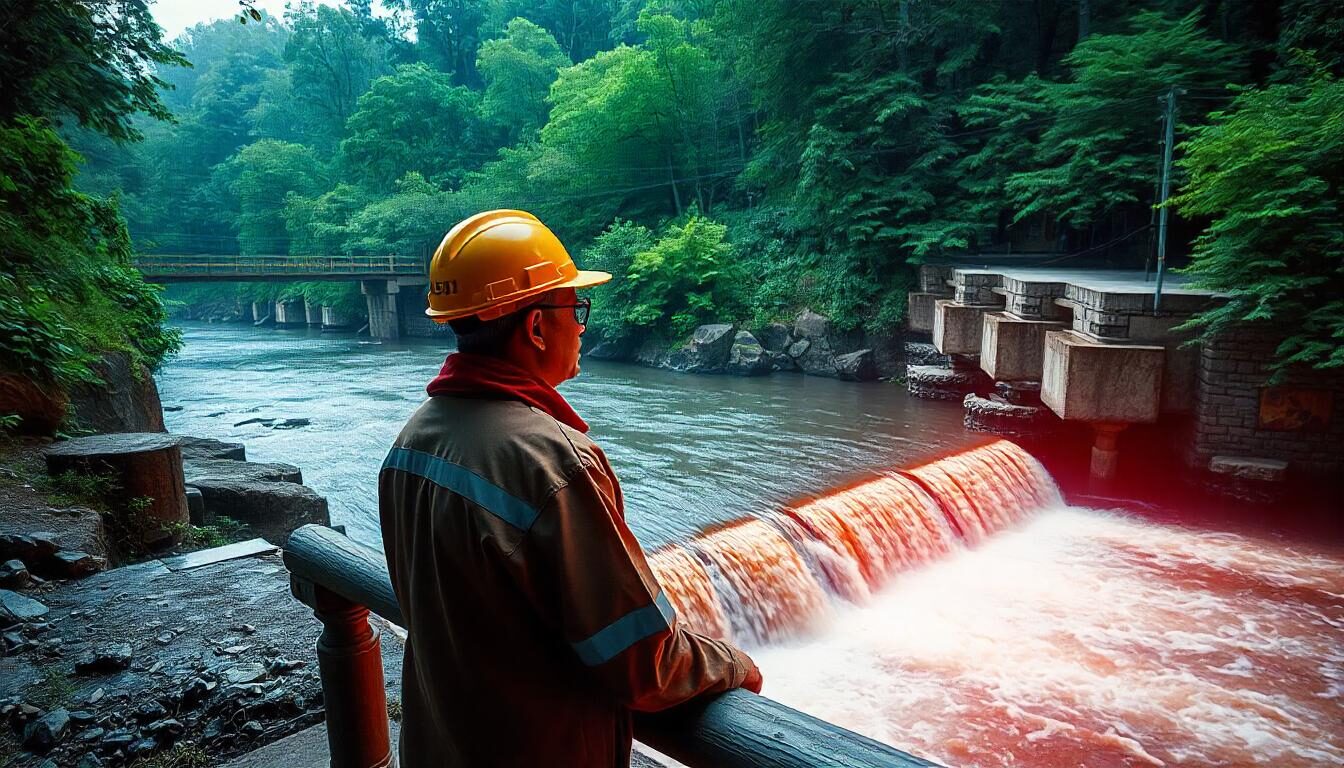
The Pond
A Guide to Enhancing Agriculture Through Biodiversity and Water Management
Ponds play a vital role in sustainable farming by providing water, enhancing biodiversity, and integrating with various agricultural systems. They serve as multifunctional components that support water management, food production, and ecological balance, making them a cornerstone of regenerative agriculture.
Historical Development
The use of ponds in agriculture dates back thousands of years. Ancient civilizations in Asia and Africa constructed ponds for irrigation, aquaculture, and flood control. In medieval Europe, monastery ponds provided fish as a protein source and supported local agriculture. Over time, the role of ponds evolved from basic water storage to complex systems integrating biodiversity, aquaculture, and permaculture principles. Today, they are recognized as key elements in sustainable farming practices worldwide.
Ponds as Multifunctional Components in Agriculture
Ponds are critical to sustainable farming, serving as reservoirs of water, hubs of biodiversity, and engines of economic activity. Beyond their traditional use for irrigation, ponds offer a range of ecological and agricultural benefits that enhance the resilience and productivity of farming systems. Whether large or small, ponds are indispensable assets in regenerative agriculture, improving water management, supporting livelihoods, and fostering environmental stewardship. Their versatility extends far beyond simple water storage, contributing to a more holistic and sustainable farming practice.
Irrigation
- Water Storage and Drought Resilience: Ponds are essential for storing rainwater, particularly in regions with unpredictable rainfall patterns or extended dry seasons. By capturing and holding rainwater, ponds ensure that crops receive consistent watering, even during periods of drought. This ability to act as a buffer during water scarcity helps farmers better cope with the increasing unpredictability of rainfall caused by climate change.
- Infiltration Ponds: Infiltration ponds, designed to allow water to seep into the ground, play a dual role in irrigating crops and replenishing underground aquifers. This method enhances groundwater availability and reduces reliance on external water sources, leading to a more resilient and sustainable water management strategy. In many areas, they help mitigate the depletion of water tables, a growing concern in water-stressed regions.
- Gravity-Fed Systems: Ponds integrated with gravity-fed irrigation systems reduce energy costs and simplify water distribution, making them efficient for both small-scale and large-scale farming operations. These systems require minimal infrastructure and maintenance, making them an ideal solution for farms aiming to reduce their carbon footprint.
- Historical Examples: In India, centuries-old stepwells and community ponds have provided critical irrigation support, enabling farmers to grow crops in arid regions while preserving groundwater resources. These systems were designed to maximize water capture during the monsoon season and distribute it effectively throughout the dry months, showcasing the long-term sustainability of pond-based irrigation.
Livestock Watering
- Reliable Water Source for Livestock: For livestock farmers, ponds are a dependable source of clean water, essential for maintaining animal health and productivity. Properly managed ponds with filtration systems or naturally vegetated edges ensure water remains uncontaminated, reducing the risks of waterborne diseases and improving livestock health.
- Multi-Functional Pond Designs: Multi-functional pond designs support both livestock watering and aquaculture, optimizing land use and providing multiple income streams. For example, ponds that house fish species can also be used by livestock, creating a symbiotic relationship where waste from animals can provide nutrients for fish, and the fish, in turn, help to manage algae and pests in the water.
- Shading for Livestock Comfort: Creating shaded areas near ponds with trees or structures further improves livestock comfort, reducing stress during hot seasons. These shaded zones offer animals a cooler, more comfortable environment, which can improve health outcomes and productivity.
- Global Examples: In the U.S. Midwest, multi-purpose ponds supply drinking water for cattle and support fish farming, demonstrating the versatility and economic advantages of integrated systems. Similarly, in the Netherlands, livestock farms with integrated ponds often use the water for both animal hydration and vegetable irrigation, leveraging pond systems for more sustainable farming.
Climate Regulation
- Thermal Buffering: Ponds contribute to climate regulation by acting as thermal buffers, moderating temperature fluctuations in their immediate surroundings. This is particularly beneficial for crops sensitive to heat stress. During the hot summer months, ponds help maintain a stable microclimate, reducing crop wilting and improving yields.
- Humidity and Soil Health: The evaporation process from pond surfaces increases local humidity, creating favorable microclimates that support plant growth and reduce soil desiccation. Increased humidity prevents soil from drying out too quickly, which is especially beneficial for farming regions experiencing prolonged dry spells.
- Heatwave Mitigation: Well-placed ponds can mitigate the effects of heatwaves and droughts, enhancing the overall resilience of farming systems against climate extremes. By releasing moisture into the air, ponds help keep temperatures down, thereby offering a natural form of cooling for both crops and livestock.
- Regional Examples: In southern Europe, vineyards use ponds strategically to buffer against heatwaves, preserving soil moisture and ensuring consistent grape quality during high-temperature periods. Similarly, in the Australian Outback, drought-resistant crops are often planted near ponds to help maintain a steady supply of water and mitigate the effects of harsh weather conditions.
Aesthetic and Recreational Value
- Visual Appeal and Eco-Tourism: Beyond their functional roles, ponds enhance the visual appeal of farms, making them attractive locations for eco-tourism, educational visits, and recreational activities. Farms with scenic ponds often host workshops, nature walks, or seasonal events that draw visitors. These initiatives not only provide educational value but also create a sense of connection between the public and the natural world.
- Fishing and Community Engagement: Recreational fishing ponds provide additional revenue streams, attracting tourists and locals interested in outdoor activities. These initiatives also foster environmental awareness by showcasing sustainable practices, such as catch-and-release fishing, native species conservation, and sustainable farming practices.
- Global Examples: Australian farms frequently host “catch-and-release” fishing events at their ponds, combining recreational value with environmental education and income generation. In the U.K., pond-based eco-tourism has expanded, with farmers offering guided tours that include bird-watching, photography, and flora identification, making ponds a hub for local wildlife enthusiasts.
Economic Opportunities
- Aquaculture Revenue: Ponds open up diverse revenue opportunities for farms. Leasing ponds for aquaculture allows farmers to earn passive income while supporting local food production. Aquaculture, whether for fish, shellfish, or water plants, can generate consistent revenue streams while contributing to food security.
- Eco-Tourism Initiatives: Eco-tourism initiatives centered around ponds, such as bird-watching or photography tours, generate income while promoting conservation. Educational workshops focused on sustainable water management practices can also be organized, attracting farmers, students, and environmentalists.
- Land Value and Long-Term Investments: Well-maintained ponds enhance property values and can serve as long-term investments for farming communities. Ponds offer landowners an opportunity to diversify their assets and create a more resilient farm ecosystem.
- Integrated Farm Models: Integrated farm models in Thailand demonstrate how ponds can simultaneously support fish production, crop irrigation, and income generation from recreational activities, showcasing the economic potential of multi-functional pond systems. This holistic approach not only improves the farm’s sustainability but also provides long-term financial benefits through diversified income sources.
Conclusion
Ponds are versatile, multifunctional components that integrate seamlessly into sustainable agriculture. Their ability to support water management, enhance biodiversity, regulate the local climate, provide recreational opportunities, and generate economic benefits makes them indispensable in modern farming. By harnessing the many advantages of ponds, farmers can improve the resilience and productivity of their agricultural systems, ensuring that farming is not only economically viable but also environmentally responsible for generations to come.
Designing Ponds for Permaculture and Water Management
Effective pond design is crucial for maximizing benefits in sustainable farming systems. A well-designed pond integrates with the surrounding landscape, optimizes water use, and supports ecological balance, ensuring long-term functionality and sustainability. Beyond simple water storage, thoughtful pond placement and structure contribute to soil health, biodiversity, and climate resilience.
Site Selection
-
Strategic Placement: Choose low-lying areas with natural water flow to minimize excavation and maximize water collection. Low spots naturally gather runoff, making them ideal for ponds that store rainwater efficiently.
-
Gravity-Fed Irrigation: When feasible, place ponds at higher elevations to enable gravity-fed irrigation systems, reducing energy costs for pumping water. Elevating ponds also helps distribute water naturally to different farm zones, making irrigation more efficient.
-
Soil Suitability: Conduct soil assessments to ensure proper retention and drainage. Avoid sandy soils for retention ponds unless lined with impermeable materials. Clay-heavy soils naturally retain water, making them the best choice for long-term pond sustainability.
-
Wind Protection and Shade Considerations: Locate ponds in areas shielded from strong winds to reduce evaporation. If necessary, plant trees around the pond to provide partial shade without obstructing water collection.
-
Recommended Resource: Use [Soil Testing Kits Affiliate Links] to analyze soil composition and suitability for pond construction.
- Real-World Example: On farms in hilly regions, elevated ponds supply irrigation to terraced crops using gravity, simplifying water distribution and reducing reliance on pumps. In Nepal, this technique has been used for centuries in terraced farming systems, ensuring water efficiency.
Contour Integration
-
Swales and Water Retention Features: Use swales and contour trenches to channel rainwater into ponds, preventing runoff and erosion while increasing water storage capacity. These features also slow water movement, allowing it to seep into the soil gradually.
-
Sediment Control and Filtration: Design the contours to slow water flow, allowing sediment to settle and improving water quality. This prevents excess nutrient buildup that could lead to algae blooms and poor water conditions.
-
Terracing and Passive Irrigation: Integrate terraces with ponds to capture excess water, naturally irrigating crops downhill. This technique prevents water loss and ensures better moisture retention in fields.
-
Recommended Tool: Incorporate [Contour Mapping Tools Affiliate Links] for precise land assessment and trench planning.
- Real-World Example: Permaculture farms in Australia employ contour bunds to direct rainwater into ponds, ensuring maximum capture during seasonal rains. This technique is also widely used in dryland farming in Africa to maximize water retention in semi-arid environments.
Liner Options
-
Choosing the Right Liner: Different pond functions require specific liners for durability and water retention:
-
Clay Liners: Natural and cost-effective, suitable for areas with clay-rich soil. When compacted properly, clay creates a water-tight barrier that mimics natural pond beds.
-
Plastic Liners: Durable and impermeable, ideal for aquaculture ponds or areas with porous soil. These liners prevent water loss but need regular maintenance.
-
Geotextiles: Provide additional stability and prevent erosion in steep or loose-soil areas. These are often combined with natural materials like gravel to reinforce pond banks.
-
Concrete Liners: Used for highly controlled water reservoirs but less common in natural or permaculture settings due to high cost and lack of ecological benefits.
-
-
Infiltration Ponds: Designed for groundwater recharge, these are left unlined to allow water to percolate through the soil, replenishing aquifers.
-
Recommended Product: Find high-quality pond liners at [PondLiner Solutions Affiliate Links].
- Real-World Example: Small farms in Southeast Asia often use natural clay liners to construct ponds for aquaculture and irrigation, balancing cost with effectiveness.
Plant Buffer Zones
-
Erosion Control and Filtration: Surround ponds with native plants to filter runoff, trap sediment, and prevent erosion. These plants improve water quality by absorbing excess nutrients and pollutants before they enter the pond.
-
Stabilizing the Pond Edge: Select plants like reeds, cattails, and native grasses that anchor soil and prevent pond banks from collapsing.
-
Biodiversity Boost: Incorporate flowering plants to attract pollinators, beneficial insects, and birds that contribute to the overall ecosystem balance.
-
Recommended Plants:
-
Wetland Plants: Bulrushes, sedges, and rushes for water filtration.
-
Riparian Trees and Shrubs: Willow, alder, and dogwood for stabilizing banks.
-
Flowering Species: Blue flag iris, cardinal flower, and swamp milkweed for attracting beneficial insects.
-
-
Suggested Resource: Explore seed options for native wetland plants at [EcoSeeds Affiliate Links].
- Real-World Example: European eco-farms plant bulrushes and reeds around ponds to filter runoff and create habitats for amphibians and birds, enhancing local biodiversity.
Advanced Technologies
-
Automated Water Quality Sensors: Monitor pH, temperature, and nutrient levels in real time, helping farmers manage pond health and prevent issues like algae overgrowth.
-
Drones for Pond Monitoring: Used to assess water clarity, detect invasive species, and track changes in pond ecosystems without manual labor.
-
Solar-Powered Aerators: Improve oxygen levels in aquaculture ponds, reducing fish mortality and promoting healthy aquatic life. These aerators are also useful for preventing mosquito breeding.
-
Floating Islands for Water Filtration: Artificial floating islands planted with native wetland species can help remove excess nutrients, support fish habitats, and improve water clarity.
-
Rainwater Harvesting Systems: Integrating ponds with rainwater catchment systems further optimizes water retention and reduces reliance on external sources.
-
Recommended Products: Find solar-powered aerators and water monitoring systems at [AquaTech Affiliate Links].
- Real-World Example: Smart ponds on commercial farms in the U.S. use solar-powered aerators and automated sensors to maintain water quality, ensuring ideal conditions for fish and crop irrigation. In Japan, precision-farming techniques use AI-driven monitoring systems to track pond conditions in rice paddies.
Conclusion
By carefully planning pond placement, integrating natural and technological solutions, and maintaining ecological balance, farmers can design ponds that serve as cornerstones of sustainable water management and permaculture systems. Thoughtfully placed ponds reduce erosion, store water, improve biodiversity, and enhance soil health, making them essential for climate-resilient farming. Whether used for irrigation, livestock, aquaculture, or habitat creation, a well-designed pond is a long-term investment in both environmental sustainability and farm productivity.
Key Takeaways
- Strategic site selection minimizes excavation and enhances water storage efficiency.
- Contour-based pond integration prevents runoff and naturally irrigates crops.
- Proper liner selection ensures optimal water retention for different pond types.
- Plant buffer zones filter water, reduce erosion, and support biodiversity.
- Emerging pond technologies enhance efficiency, reduce labor, and optimize water quality.
Integration of Aquaculture into Pond Systems
Combining aquaculture with pond systems enhances productivity and sustainability by creating multi-functional systems that optimize resource use and support ecological balance. Proper integration of aquaculture contributes to food security, water management, and economic opportunities for farmers. By leveraging pond ecosystems for both fish farming and agricultural irrigation, farms can establish closed-loop systems that reduce waste, improve efficiency, and enhance biodiversity.
Fish Farming
- Key Practices
-
Select hardy and fast-growing fish species like tilapia, catfish, and carp that thrive in nutrient-rich pond environments. These species are resilient to fluctuating water conditions and can be raised efficiently with minimal inputs.
-
Monitor water quality regularly to maintain optimal pH, oxygen, and nutrient levels. Poor water conditions can lead to fish stress, disease outbreaks, and reduced productivity.
-
Implement feeding schedules and aeration systems to ensure healthy fish growth and minimize waste accumulation. Proper feed management prevents overfeeding, which can cause water pollution.
-
- Economic Benefits
-
Additional Income Streams: Fish farming generates additional revenue for farmers, particularly in regions with high demand for fresh fish. Sustainable fish farming practices can make small-scale farms financially viable and resilient against market fluctuations.
-
Locally Available Feed Options: By using natural feed sources like aquatic plants, insects, and food waste, farmers can reduce feed costs and improve sustainability.
- Real-World Example: Tilapia farming in Kenya supports rural communities by providing protein-rich food and extra income from fish sales. This model has been adopted globally as a low-cost method for improving food security and rural livelihoods.
-
Polyculture Systems
- Key Practices
-
Combine fish farming with aquatic plants and other species (such as shrimp or mussels) to maximize productivity. Each component of the system contributes to nutrient cycling and supports ecological stability.
-
Introduce duckweed, water lettuce, or azolla, which are fast-growing aquatic plants that improve water quality by absorbing excess nutrients and providing an affordable feed source for livestock and fish.
-
Balance species ratios to prevent overcrowding and competition for resources. Ensuring that each species complements the ecosystem is crucial for maintaining long-term productivity.
-
- Environmental Benefits
-
Enhances Biodiversity: Polyculture systems create self-sustaining ecosystems that require fewer external inputs, reducing the farm’s reliance on synthetic fertilizers and feeds.
-
Reduces Nutrient Buildup: By integrating multiple species, these systems mitigate algae overgrowth and improve water quality. Filter-feeding species, such as mussels, can help maintain clean water conditions.
- Real-World Example: In Southeast Asia, integrated rice-fish-shrimp farming is widely practiced. This approach improves water efficiency, diversifies farm yields, and enhances soil fertility. Fish and shrimp feed on pests and algae, reducing the need for chemical treatments in rice fields.
-
Dual-Purpose Systems
- Key Practices
-
Design ponds for dual use, allowing them to support fish farming while also serving as an irrigation reservoir for nearby crops.
-
Utilize gravity-fed or solar-powered pumping systems to distribute nutrient-rich pond water efficiently to agricultural fields. This reduces energy costs and reliance on traditional pumps.
-
Rotate pond water periodically to maintain water quality while replenishing nutrients in irrigated crops. This process enhances soil fertility and improves plant health naturally.
-
- Economic and Ecological Benefits
-
Reduces Dependence on Chemical Fertilizers: Nutrient-rich pond water serves as a natural fertilizer, reducing the need for synthetic alternatives. Farmers can lower input costs while improving soil microbiome health.
-
Enhances Farm Resilience: Integrating aquaculture and agriculture creates diversified outputs, ensuring farms remain profitable and productive throughout different seasons.
- Real-World Example: Permaculture farms in Australia use fish pond water to irrigate vegetable gardens, creating closed-loop systems that minimize waste and maximize productivity. This approach significantly reduces water wastage and external input reliance.
-
Tools and Resources
-
Water Quality Management: Use [Water Quality Monitors Affiliate Links] to track pH, oxygen, and nutrient levels for optimal fish and plant health.
-
Sustainable Fish Feed: Explore [Aquaculture Feed Solutions Affiliate Links] for cost-effective and eco-friendly fish feed options.
- Energy-Efficient Water Pumps: Invest in [Solar-Powered Irrigation Pumps Affiliate Links] to reduce energy costs and align with sustainable aquaculture practices.
Conclusion
Integrating aquaculture with pond systems enhances economic viability, water management efficiency, and ecological balance in sustainable farming. By optimizing pond ecosystems, farmers can produce healthy fish, improve soil and crop productivity, and reduce dependence on synthetic inputs. Whether through monoculture fish farming, polyculture ecosystems, or dual-purpose irrigation systems, well-designed aquaculture ponds offer long-term sustainability and profitability for modern agricultural operations.
Enhancing Biodiversity with Ponds
Ponds support a wide range of plant and animal life, creating microhabitats and promoting ecological resilience. By incorporating biodiversity-friendly practices, ponds can become thriving ecosystems that enhance agricultural productivity, improve water quality, and support wildlife conservation. A well-managed pond fosters natural pest control, pollination, and nutrient cycling, strengthening the farm’s overall sustainability.
Pollinator Support
- Key Benefits
-
Ponds serve as essential water sources for pollinators such as bees, butterflies, and other beneficial insects. By meeting their hydration needs, ponds indirectly enhance pollination and improve crop yields.
-
Flowering aquatic plants like water hyacinths, pickerelweed, and water lilies attract pollinators, creating a natural synergy between the pond and surrounding crops.
-
Providing accessible water sources for pollinators is particularly crucial in dry climates where natural water availability is limited.
-
- Practical Steps
-
Plant native flowering species such as milkweed, goldenrod, and wild bergamot along pond edges to attract a variety of pollinators.
-
Maintain shallow areas with gradual slopes where insects can safely access water without risk of drowning. This also benefits birds and small mammals.
-
Install floating platforms with flowering plants to create additional pollinator-friendly zones in larger ponds.
-
- Real-World Example
- Farms in California with pollinator-friendly ponds have reported increased yields in almond orchards due to improved pollination rates. The presence of well-hydrated pollinators boosts overall fruit and nut production, demonstrating the direct economic benefits of biodiversity-focused pond management.
Wildlife Habitats
- Key Benefits
-
Ponds provide habitats for frogs, dragonflies, birds, turtles, and beneficial insects that contribute to pest control and ecological balance.
-
Habitat ponds designed with varied depths, natural edges, and diverse vegetation support multiple species, maximizing biodiversity.
-
Encouraging predatory species like dragonflies and frogs naturally reduces mosquito populations and controls harmful crop pests.
-
- Practical Steps
-
Include logs, rocks, and aquatic vegetation to create shelters for amphibians, reptiles, and small mammals. These features mimic natural wetland environments.
-
Avoid using pesticides or chemical fertilizers near ponds to protect aquatic and terrestrial species from contamination.
-
Introduce native fish species that do not disrupt the balance of local wildlife but help manage mosquito larvae and invasive insects.
-
- Real-World Example
- Eco-farms in Europe integrate wildlife ponds to naturally control mosquito populations while supporting endangered amphibian species. Some farms have successfully reintroduced native frog and newt populations, boosting local biodiversity while benefiting from reduced pest pressure on crops.
Aquatic Plants
- Key Benefits
-
Native aquatic plants such as water lilies, reeds, and bulrushes stabilize pond edges, prevent soil erosion, and provide shelter for fish and other aquatic organisms.
-
Floating plants like duckweed, water lettuce, and azolla absorb excess nutrients, reducing the risk of algae overgrowth and improving water clarity.
-
Emergent plants such as cattails and sedges help filter agricultural runoff, trapping sediments and pollutants before they enter the pond.
-
- Practical Steps
-
Regularly monitor plant growth to ensure that invasive species (such as water hyacinth or hydrilla) do not take over the ecosystem.
-
Use plants strategically to improve water filtration and provide habitat diversity. Submerged vegetation, floating species, and emergent plants should all be present for a balanced ecosystem.
-
Introduce native wetland plants that attract beneficial insects and contribute to carbon sequestration, supporting both local biodiversity and climate resilience.
-
- Real-World Example
- Permaculture farms in Thailand cultivate water lilies in their ponds to create shaded areas for fish, which helps regulate water temperature and reduce evaporation. This practice supports sustainable aquaculture while enhancing overall biodiversity.
Tools and Resources
-
Enhance Pond Biodiversity: Access native aquatic plant seeds at [EcoSeeds Affiliate Links] to improve water quality and habitat diversity.
-
Create Floating Habitats: Install [Floating Island Platforms Affiliate Links] to provide shelter for birds, amphibians, and beneficial insects.
- Monitor Wildlife and Ecosystem Health: Use [Wildlife Monitoring Kits Affiliate Links] to track biodiversity over time and ensure a thriving ecosystem.
Conclusion
Biodiversity-friendly ponds contribute to healthier farms, increased resilience to climate change, and improved agricultural productivity. By supporting pollinators, creating wildlife habitats, and integrating native plants, farmers can establish self-sustaining pond ecosystems that enhance soil health, natural pest control, and water quality. Thoughtful pond management not only benefits wildlife and plant diversity but also provides long-term economic and environmental rewards for sustainable agriculture.
Building and Maintaining Sustainable Ponds
Sustainable pond construction and maintenance are essential for maximizing their benefits in agriculture. Proper planning, eco-friendly materials, and regular care ensure ponds remain functional, resilient, and supportive of biodiversity over time. A well-maintained pond improves water retention, prevents erosion, and provides long-term benefits for farming systems.
Construction
- Natural Materials
-
Use natural materials like clay or sand to construct pond walls and bases. Clay-rich soils are particularly effective for creating impermeable barriers that retain water without the need for artificial liners.
-
In areas where natural materials are unavailable, consider geotextiles, bentonite clay, or reinforced plastic liners for long-lasting durability.
-
Incorporate gravel and stone layers in shallow areas to reduce erosion and provide a stable environment for aquatic plants.
-
- Design Features
-
Incorporate spillways and overflow channels to manage excess water during heavy rainfall, preventing erosion, flooding, and structural damage. Properly designed spillways help direct runoff away from sensitive areas.
-
Build ponds with varied depths to support diverse aquatic life and ensure proper oxygen levels. Shallow zones provide breeding grounds for amphibians, while deeper sections help maintain water temperature stability.
-
Position ponds away from major livestock areas to prevent excessive nutrient runoff, which can lead to water contamination and algae blooms.
-
- Erosion Prevention
-
Stabilize pond edges with rocks, logs, or plant buffers to reduce erosion and sedimentation.
-
Surround ponds with native vegetation to filter runoff and absorb excess nutrients before they enter the water.
-
Install silt traps at inflow points to capture sediments before they settle at the bottom.
-
- Real-World Example
- Permaculture farms in Australia use clay-lined ponds with spillways to manage stormwater runoff and prevent flooding in adjacent fields. These natural water management strategies enhance long-term resilience to climate extremes.
Maintenance
- Debris Management
-
Regularly remove debris such as leaves, branches, and algae to maintain water quality and prevent blockages in irrigation systems.
-
Install floating skimmers or debris nets to simplify collection and reduce manual labor.
-
Encourage bottom-feeding fish like catfish, which help break down organic matter and maintain healthy sediment levels.
-
- Algae Control
-
Use natural methods such as introducing algae-eating fish (e.g., grass carp) or planting shade-providing aquatic plants like water lilies.
-
Avoid chemical treatments that disrupt the pond’s ecological balance. Instead, focus on nutrient management to reduce excessive algae growth.
-
Introduce floating islands of plants to help absorb excess nutrients and improve overall water clarity.
-
- Water Level Monitoring
-
Monitor water levels regularly and top up as needed during dry periods to maintain aquatic habitats.
-
In regions with high evaporation rates, use rainwater harvesting systems to refill ponds naturally.
-
Consider solar-powered pumps to maintain consistent water circulation and reduce stagnation.
-
- Real-World Example
- Farms in India manage seasonal water fluctuations by using floating plants and regular debris clearing to keep ponds functional year-round. This strategy improves water retention and quality throughout dry and wet seasons.
Challenges and Solutions
- Water Evaporation
-
Mitigate evaporation in arid regions by planting shade trees or installing floating covers to reduce direct sunlight exposure.
-
Use mulch or ground cover plants around the pond to retain soil moisture and reduce heat absorption.
-
Construct deeper ponds to minimize surface evaporation while still allowing adequate oxygen exchange for aquatic life.
-
- Invasive Species
-
Control invasive species through biological methods, such as introducing predator fish that naturally keep populations in check.
-
Conduct regular inspections to identify and remove invasive plants and animals before they disrupt the pond ecosystem.
-
Use physical barriers or pond liners to prevent invasive plant roots from spreading into the pond area.
-
- Sedimentation
-
Prevent sediment buildup by planting buffer strips of native grasses, reeds, and wetland plants around the pond’s perimeter.
-
Use silt traps or sediment basins to capture runoff before it enters the pond, reducing excess soil deposits in the water.
-
Periodically dredge accumulated sediment to maintain proper depth and water clarity.
-
- Real-World Example
- European eco-farms combat sedimentation by installing silt traps and surrounding ponds with native vegetation, ensuring long-term water clarity and quality.
Sustainable Pond Management
-
Water Retention Solutions: Use [EcoLiner Affiliate Links] for high-quality pond liners that improve water retention and durability.
-
Debris and Algae Control: Install [Floating Skimmers Affiliate Links] for efficient debris removal and algae control.
- Water Monitoring Tools: Invest in [Water Level Monitors Affiliate Links] to track and maintain optimal water levels in different seasons.
Conclusion
Building and maintaining sustainable ponds requires careful planning, ecological design, and proactive management. By using natural materials, erosion prevention techniques, and biodiversity-friendly maintenance practices, farmers can create long-lasting water reservoirs that benefit agriculture, wildlife, and climate resilience. Thoughtful pond management not only improves water quality and crop yields but also supports self-sustaining ecosystems that align with regenerative farming principles.
Mini-Ponds for Urban Gardening and Small-Scale Settings
Mini-ponds offer urban gardeners and small-scale farmers the ability to harness the benefits of larger water systems in compact, accessible formats. These small-scale ponds support biodiversity, regulate microclimates, and serve as educational tools, making them ideal for tight spaces, rooftop gardens, balconies, and community projects. Whether used for aesthetic enhancement, environmental sustainability, or food production, mini-ponds bring natural water ecosystems into urban living spaces.
Balcony and Rooftop Ponds
- Key Benefits
-
Compact ponds with aquatic plants and small fish add aesthetic value to urban spaces while supporting pollinators like bees and butterflies. These water sources are crucial in dense city environments where natural ponds and wetlands are scarce.
-
Mini-ponds reduce manual watering needs by acting as water reservoirs for nearby potted plants, passively distributing moisture and enhancing plant health.
-
Small-scale water features reduce stress and improve mental well-being, making them a great addition to residential spaces.
-
- Design Considerations
-
Use lightweight, durable materials like fiberglass, plastic, or repurposed containers to ensure safety and portability, especially for rooftops and balconies.
-
Incorporate small pumps or solar-powered fountains to maintain water circulation and prevent stagnation, reducing the risk of mosquito breeding.
-
Position mini-ponds in areas that receive partial sunlight to support plant growth while avoiding excessive evaporation.
-
- Real-World Example
- Urban apartments in Singapore often feature mini-ponds with ornamental fish and aquatic plants, enhancing balcony aesthetics while supporting pollinators. Many rooftop farms integrate these systems to reduce heat stress on crops and provide a cooling effect.
Water Features for Microclimates
- Key Benefits
-
Mini-ponds increase humidity and lower temperatures for surrounding plants, creating a favorable growing environment in urban heat islands.
-
They reduce water evaporation from nearby soil, improving overall water efficiency and helping drought-sensitive plants retain moisture.
-
Even small bodies of water help buffer temperature fluctuations, protecting delicate plants from extreme heat or sudden cold snaps.
-
- Practical Applications
-
Place mini-ponds near high-maintenance plants like tomatoes, basil, and herbs to create a cooler, more humid microclimate, reducing water stress.
-
Use reflective materials (e.g., white stones, mirrored surfaces) around the pond to amplify light and warmth for adjacent plants during cooler seasons.
-
Incorporate floating plants like water lettuce or duckweed to reduce surface evaporation while adding a self-sustaining filtration system.
-
- Real-World Example
- Rooftop gardens in New York City use mini-ponds to regulate temperatures, improving the health of vegetables and herbs in raised beds. These ponds help extend the growing season by buffering sudden temperature changes.
Educational Tools
- Key Benefits
-
Mini-ponds serve as excellent tools for teaching children and community members about aquatic ecosystems, sustainability, and biodiversity.
-
Schools and community centers can use them for hands-on science experiments, introducing concepts such as water cycles, ecosystem balance, and sustainable farming.
-
Small, enclosed ecosystems provide practical learning opportunities for topics such as urban agriculture, permaculture, and water conservation.
-
- Implementation Tips
-
Incorporate species like guppies, snails, and floating aquatic plants to demonstrate self-sustaining ecosystems in miniature form.
-
Use clear containers or viewing panels to make the pond’s ecosystem visible and engaging for learners.
-
Host interactive workshops that guide participants through building and maintaining mini-ponds, showing how water features support biodiversity and sustainable gardening.
-
- Real-World Example
- Community gardens in Berlin host educational workshops centered around mini-pond ecosystems, teaching participants how to create and maintain their own sustainable water features. Schools have implemented hands-on pond-building projects to teach students about wetland ecology and climate resilience.
Mini-Pond Setup
-
Easy Installation: Explore [Compact Pond Kits Affiliate Links] for easy-to-install systems tailored for urban spaces and small gardens.
-
Energy-Efficient Circulation: Use [Solar-Powered Pumps Affiliate Links] to maintain water movement without increasing energy costs.
- Educational Resources: Access [Educational Mini-Pond Kits Affiliate Links] for tools and resources designed for schools and community learning projects.
Conclusion
Mini-ponds bring the benefits of sustainable water ecosystems into urban gardens, rooftops, and small spaces, making them an accessible solution for biodiversity, water management, and climate regulation. Whether used for balcony aesthetics, urban cooling, or educational programs, these small water features improve plant health, attract pollinators, and enhance environmental awareness. With proper design and maintenance, mini-ponds serve as functional and beautiful additions to any compact gardening space.
Case Studies and Success Stories from Farms and Communities
Across the world, ponds play an essential role in agriculture, water management, and cultural traditions. Farmers and communities have developed innovative ways to integrate ponds into sustainable farming systems, improving productivity, food security, biodiversity, and climate resilience. The following case studies highlight successful pond-based agricultural models, demonstrating how water management can enhance both economic and ecological sustainability.
China’s Rice-Fish Farming Systems
- Overview
-
Farmers in China have perfected the integration of fish farming within rice paddies over centuries. This innovative polyculture system creates self-sustaining ecosystems, where fish control pests and weeds while fertilizing rice crops naturally.
-
This method aligns with traditional ecological knowledge, proving that low-input, nature-based farming systems can remain viable for generations.
-
- Key Benefits
-
Increases rice yields by enhancing soil fertility and reducing the need for chemical inputs.
-
Reduces pest populations naturally by introducing herbivorous and insectivorous fish species like carp, which eat weeds and mosquito larvae.
-
Provides an additional food source for rural communities, improving nutrition and food security.
-
Decreases methane emissions compared to conventional rice farming by reducing organic matter buildup in flooded fields.
-
- Real-World Example
- In Yunnan Province, farmers using rice-fish systems have significantly improved food security while promoting sustainable farming practices. These systems reduce dependence on chemical fertilizers, making rice farming economically and ecologically sustainable.
India’s Village Ponds
- Overview
-
Traditional ponds in Rajasthan and other arid regions collect and store monsoon rainwater, ensuring year-round availability for irrigation, livestock, and drinking water.
-
These ponds are community-managed resources, fostering water conservation and cooperative farming.
-
- Innovative Practices
-
Infiltration ponds are left unlined to recharge aquifers, balancing water use with long-term conservation.
-
Check dams and pond networks work together to slow runoff and improve groundwater recharge in drought-prone regions.
-
Community-led pond restoration initiatives have revived centuries-old water bodies, making them functional for modern agricultural needs.
-
- Real-World Example
- Villages in Rajasthan use a combination of check dams and ponds to mitigate drought impacts and sustain agriculture during dry seasons. This traditional rainwater harvesting method has helped revitalize depleted groundwater reserves while improving crop productivity.
European Eco-Farms
- Overview
-
Eco-farms across Europe incorporate ponds to enhance biodiversity, manage water resources, and improve farm aesthetics. These multi-functional water bodies serve as both practical farming tools and eco-tourism attractions.
-
- Key Features
-
Habitat ponds attract wildlife such as frogs, dragonflies, and birds, contributing to natural pest control and reducing the need for chemical pesticides.
-
Scenic ponds support eco-tourism activities, including bird-watching, photography, and guided nature walks.
-
Aquaculture ponds are integrated into permaculture systems, providing fish for consumption while supplying nutrient-rich water for irrigation.
-
- Real-World Example
- A permaculture farm in Spain integrates ponds for aquaculture, irrigation, and wildlife conservation, demonstrating how ponds can boost both ecological and economic outcomes. The farm hosts eco-tourism experiences, attracting visitors interested in sustainable farming practices.
Permaculture Ponds in the U.S.
- Overview
-
Farms across the U.S. apply permaculture principles to design multi-functional ponds that support habitat creation, aquaculture, and irrigation.
-
These ponds align with regenerative agriculture models, ensuring water sustainability and long-term farm productivity.
-
- Innovative Uses
-
Fire control reservoirs: Ponds double as firefighting water sources in wildfire-prone areas, improving climate resilience.
-
Recreational fishing ponds: Farms open their ponds for catch-and-release fishing, generating additional income while supporting biodiversity.
-
Aquaponic integration: Fish ponds are connected to greenhouses and vegetable beds, allowing nutrient-rich water to fertilize crops without synthetic inputs.
-
- Real-World Example
- In California, permaculture farms use ponds for habitat creation and as a water source for orchards, aligning with regenerative agriculture goals. These farms demonstrate successful closed-loop water systems, maximizing efficiency and ecological health.
Cultural Practices
- Thailand
-
Ponds play a central role in Thailand’s Loy Krathong festival, where floating lanterns are released as a gesture of gratitude to water sources.
-
These ponds also serve vital agricultural functions, supporting aquaculture and crop irrigation while maintaining traditional ecological knowledge.
-
- India
-
Religious ceremonies often involve pond sanctification, emphasizing the spiritual and cultural significance of water in agriculture.
- Village ponds are central to community rituals and celebrations, reinforcing their value beyond practical farming uses.
-
Conclusion
These case studies highlight the diverse applications and benefits of ponds in farming, conservation, and cultural traditions worldwide. From boosting crop productivity to supporting biodiversity and sustainable livelihoods, ponds play a critical role in modern and traditional farming systems. By integrating ponds into regenerative agriculture models, farmers and communities enhance food security, water conservation, and ecological resilience—proving that water management is central to sustainable living.
Innovative Pond Applications
1. Biofuel Production
- Key Benefits:
- Ponds are increasingly being used to cultivate algae, a promising renewable biofuel source. Algae’s rapid growth and high lipid content make it an efficient option for producing biodiesel, reducing reliance on fossil fuels.
- Algae cultivation in ponds can also sequester carbon dioxide, contributing to climate change mitigation efforts.
- Practical Applications:
- Ponds designed for algae farming include features such as paddlewheel mixers to maintain water circulation and optimize growth.
- By-products from algae cultivation, such as protein-rich biomass, can be used as animal feed or fertilizer.
In the U.S., experimental algae farms are integrating pond systems to scale up biofuel production, showcasing their potential for energy sustainability.
2. Greenhouse Integration
- Key Benefits:
- Combining ponds with greenhouses creates controlled environments that enhance plant growth while improving water efficiency.
- Ponds regulate temperature and humidity inside greenhouses, reducing the need for artificial climate control systems.
- Practical Applications:
- Greenhouses with integrated pond systems can use pond water for hydroponics or aquaponics, creating closed-loop systems that minimize waste.
- Reflective pond surfaces increase natural light within the greenhouse, boosting photosynthesis.
In Europe, greenhouse farms incorporate small ponds to grow aquatic plants and fish, optimizing both crop yields and resource use.
Innovative Pond Applications
- Explore [Algae Farming Kits Affiliate Links] for tools and resources to set up biofuel ponds.
- Use [Greenhouse Integration Pumps Affiliate Links] to connect pond systems with greenhouse irrigation setups.
- Access [Water Circulation Tools Affiliate Links] for maintaining optimal conditions in algae ponds.
Recommendations
- Start with practical guides like Creating and Maintaining Your Own Farm Pond for step-by-step instructions on pond construction and maintenance.
- Invest in automated water quality sensors and solar-powered aerators to enhance efficiency, available at [AquaTech Affiliate Links].
- Consider multipurpose designs that incorporate aquaculture, irrigation, and recreational use for added economic benefits.
- Use native plants and buffer zones around ponds to improve water quality and support local biodiversity.
- Explore grants or subsidies for sustainable water management projects to offset construction costs.
Key Points
- Ponds are vital multifunctional components in sustainable farming, supporting irrigation, aquaculture, biodiversity, and climate resilience.
- Advanced technologies, such as automated monitoring systems, improve pond efficiency and reduce maintenance demands.
- Traditional and cultural practices, like Thailand’s Loy Krathong festivals, highlight the historical significance of ponds in agriculture.
- Case studies from China, India, and Europe demonstrate the diverse applications and benefits of pond systems worldwide.
- Mini-ponds bring the advantages of larger systems to urban gardening and small-scale farms, making them accessible to a broader audience.
- Innovative applications like biofuel production and greenhouse integration showcase the future potential of pond systems in regenerative agriculture.
Ponds are versatile, multifunctional features that integrate seamlessly into sustainable farming systems. By enhancing water management, supporting biodiversity, and providing economic opportunities, they represent a cornerstone of regenerative agriculture.










0 Comments